Pellets are a concentrated source of vitamins and minerals, which is why they have a place in a guinea pig's diet. They are also easy to overfeed. The main risk is not a lack of pellets - it is too many, combined with not enough hay, which is the opposite of what a healthy guinea pig diet looks like.
How much to feed: the basic numbers
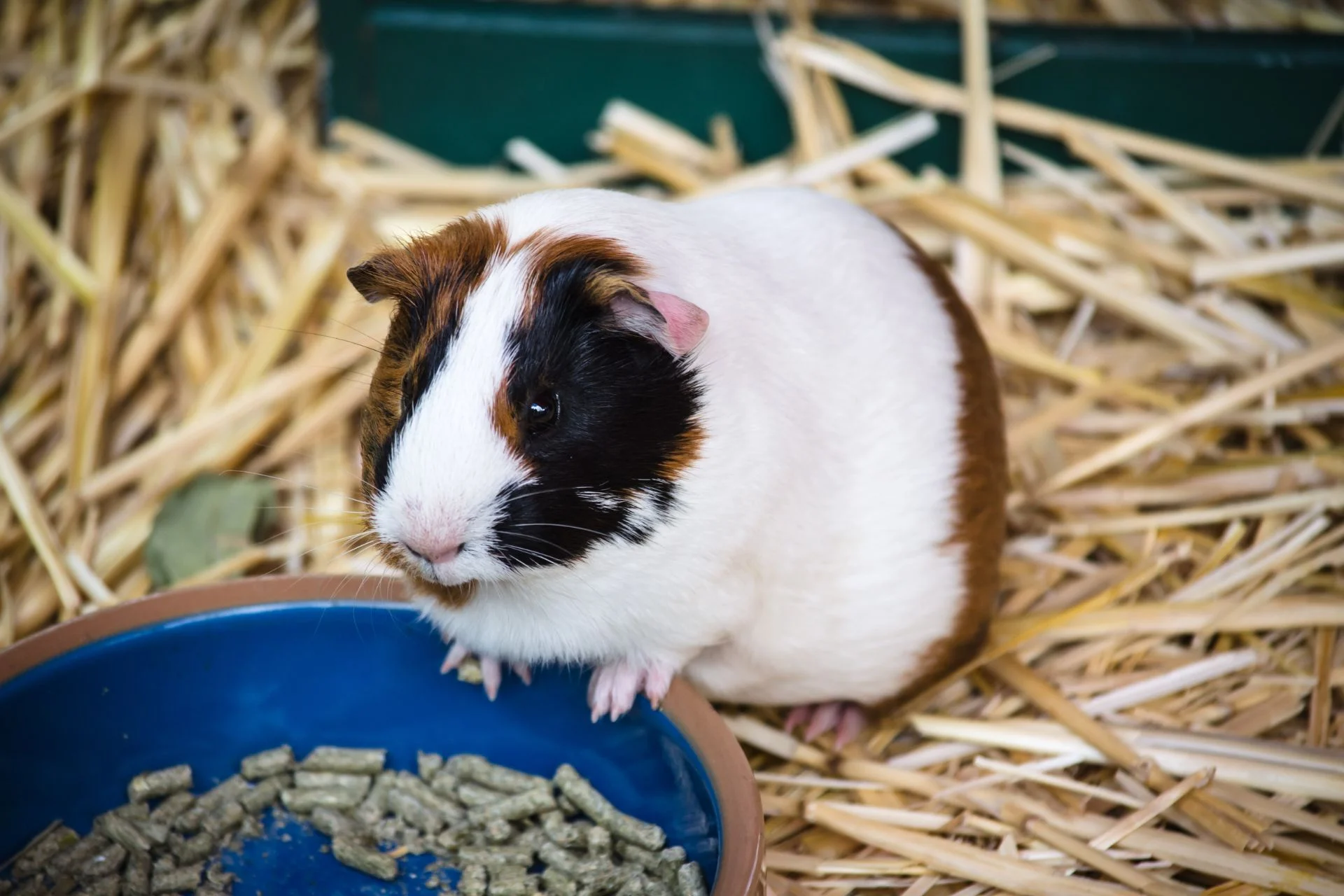
The standard recommendation for one adult guinea pig is 1/8 to 1/4 cup of pellets per day. That is roughly one to two tablespoons, or about 20 to 30 grams for most plain Timothy-based pellets. This amount is typically given once daily, in the evening when guinea pigs tend to be most active. Dividing it into two smaller portions across the day is also fine, but a single daily serving is practical and works well for most households.Adjusting for age
Young guinea pigs under six months have higher energy and protein requirements. Pellets formulated for young guinea pigs, often alfalfa-based, can be offered in slightly higher quantities during this stage. Once they reach six months, switch to Timothy-based adult pellets and return to the standard 1/8 to 1/4 cup range. Senior guinea pigs over four years may need amounts adjusted based on their weight and activity level. Some older animals struggle to maintain weight and benefit from slightly more; others slow down and need less. Monthly weigh-ins help track changes before they become visible.Adjusting for weight
A healthy adult guinea pig typically weighs between 700g and 1.2kg depending on sex and breed. If your guinea pig is gaining weight steadily and hay consumption is high, reduce the pellet portion slightly. If they are losing weight or appear thin despite eating hay and vegetables, a small pellet increase combined with a vet check is the right response.What to look for in guinea pig pellets
Not all pellets are equally well formulated. When choosing a brand, look for: At least 18% crude fiber, which matters for digestive health. Pellets low in fiber can cause GI problems over time. Low calcium for adult guinea pigs. Excess calcium contributes to bladder stones. Avoid pellets formulated for rabbits, which often have higher calcium levels than guinea pigs need. No seeds, dried fruit, or colored pieces mixed in. Mixed muesli-style blends allow guinea pigs to pick out the tastier, higher-sugar components and ignore the nutritious pellets. Plain pellets only. Added vitamin C, since guinea pigs cannot synthesize their own and benefit from a supplemental source in pellets alongside hay and fresh vegetables.Why pellets cannot replace hay
Pellets are dense and nutritionally complete in many respects, but they do not replace hay. The long fiber strands in hay are essential for dental wear - guinea pigs' teeth grow continuously, and chewing hay keeps them at a safe length. Pellets are too soft to do this effectively. A guinea pig fed mostly pellets will develop dental overgrowth over time, which is painful and expensive to treat. Hay should make up the bulk of the diet - at least 70% - with pellets as a supplement. For more on the role hay plays and which type to choose, our guide to the best hay for guinea pig food covers the options.Signs of incorrect pellet feeding
Too many pellets: weight gain, reduced hay consumption, loose stools, and reluctance to eat vegetables. Too few pellets: weight loss, dull coat, lethargy, and signs of vitamin C deficiency such as rough coat, sore joints, or reluctance to move. If any of these appear alongside a recent diet change, a vet visit is the right next step. Guinea pigs mask illness well, and changes in eating behavior are often the first visible sign that something is wrong.Pellet instructions for a pet sitter
When you leave your guinea pig with a pet sitter - whether for drop-in visits or a longer house sitting stay - pellet feeding is one of the simplest instructions to communicate but one of the most important to get right. Measure out the daily portion before you leave if that makes it easier, or mark the container clearly with the correct amount. Tell your pet sitter:- The daily pellet amount (1/8 to 1/4 cup, once per day)
- What time of day you normally give them
- That pellets are not a substitute for hay, which must always be available separately
- Not to top up pellets if the previous day's portion is still there - replace with a fresh measured amount
Frequently asked questions
1. How much pellets should a guinea pig eat per day?
The standard recommendation is 1/8 to 1/4 cup of plain Timothy-based pellets per adult guinea pig per day - approximately 20 to 30 grams. Young guinea pigs under six months can have slightly more, using alfalfa-based pellets formulated for their growth stage. Always pair pellets with unlimited hay and daily fresh vegetables. Pellets alone do not provide complete nutrition.
2. Can guinea pigs survive on pellets alone?
No. Pellets lack the long fiber strands that guinea pigs need for dental wear and healthy gut motility. A diet of pellets alone leads to dental overgrowth, GI problems, and nutritional imbalances over time. Hay must form the bulk of the diet, with pellets as a supplement, not the foundation. This is not optional - it is a basic requirement of the species.
3. What should I do if my guinea pig refuses to eat pellets?
First check that hay and vegetables are being eaten normally. A guinea pig that is otherwise healthy and eating well is not at immediate risk from skipping pellets occasionally. If the refusal persists, check the pellets are not stale (open the bag and smell them), try a different brand, or break the pellets into smaller pieces. Persistent pellet refusal alongside other behavioral changes warrants a vet visit to rule out dental pain or illness.
4. Are there pellet options for guinea pigs with health conditions?
Yes. Guinea pigs with urinary issues may benefit from lower-calcium pellets. Those recovering from illness may need higher-calorie formulas under vet supervision. Older guinea pigs often do better on pellets with added vitamin C. Ask your vet to recommend a specific brand based on your guinea pig's needs, rather than selecting specialist formulas without veterinary guidance.
5. Can I feed my guinea pig unlimited pellets?
No. Unlimited pellets cause obesity, reduce hay consumption because the guinea pig fills up on pellets instead, and can contribute to bladder stone formation from excess calcium. The measured daily portion - 1/8 to 1/4 cup - exists for good reason. Remove any uneaten pellets at the next feeding and replace with a fresh measured amount rather than topping up on top of leftovers.
6. How should a pet sitter measure pellets for a guinea pig? 🐾
The simplest approach is to pre-measure the daily portions into small labeled bags or cups before you leave, so the pet sitter gives one portion per day without needing to estimate. If that is not practical, mark the container with a line or a piece of tape at the 1/8 or 1/4 cup level and include a written note with the amount. Overfeeding pellets is a common mistake during pet sitting stays because the carer assumes more is better - a clear measurement prevents it.
Pellets are useful precisely because they are limited. Treat them as a small daily supplement, keep hay and vegetables as the main event, and adjust the portion if your guinea pig's weight changes over time.