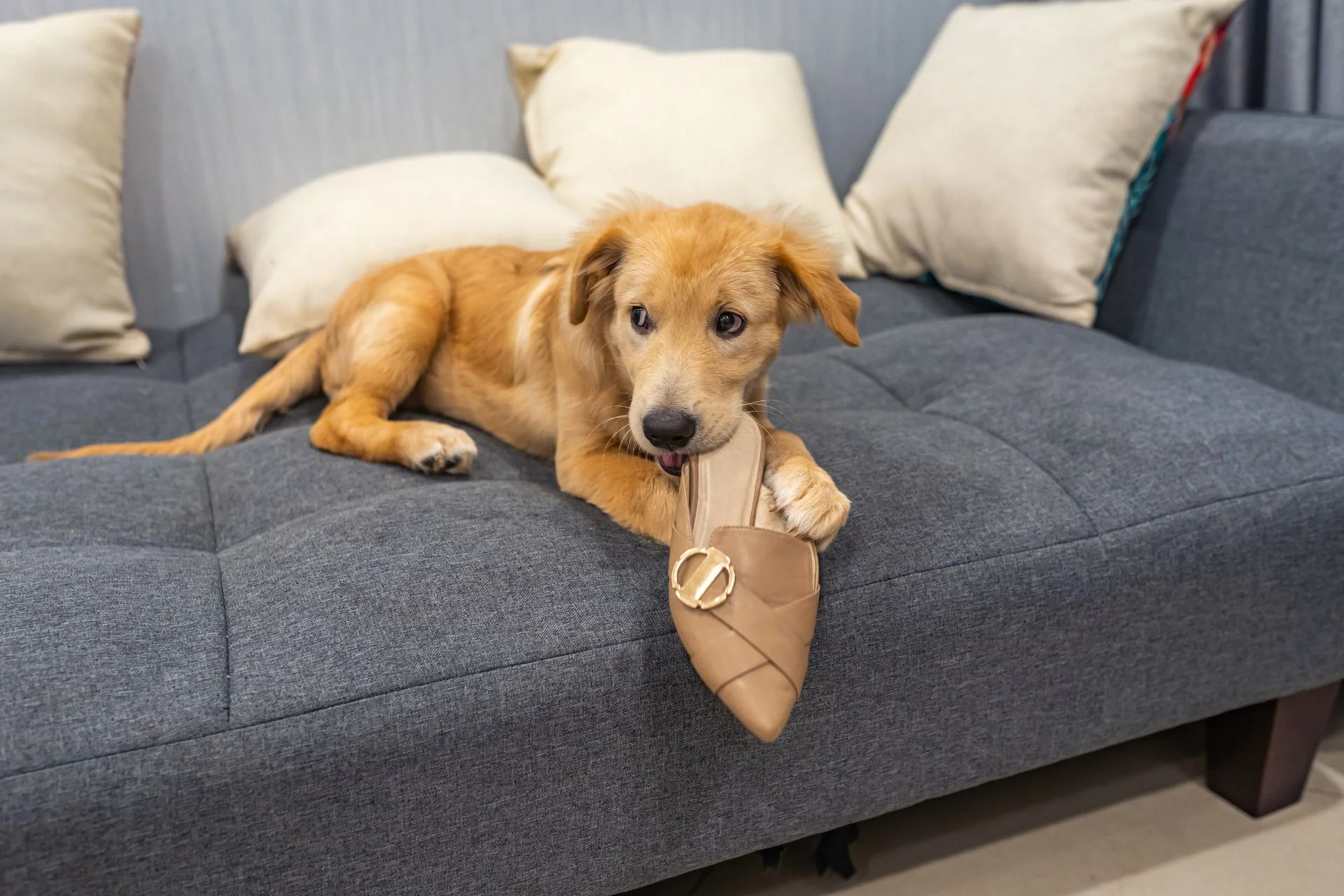
Puppies bite because it is how they explore the world, relieve teething discomfort, and engage in play. The behavior is natural, but it does need to be shaped early. Left unaddressed, mouthing that feels harmless at eight weeks becomes a real problem at six months when a dog has adult teeth and considerably more force behind them.
Why puppies bite
There are four main reasons puppies bite, and understanding them helps you choose the right response in each situation. Teething causes genuine discomfort. Between three and six months, puppy teeth fall out and adult teeth come in. Biting relieves the pressure, and your hand is a convenient target if something better is not available. Play is another driver. In a litter, puppies bite each other constantly. It is how they interact and learn the limits of rough play. When a bite goes too hard, the other puppy yelps and disengages - that feedback teaches bite inhibition naturally. You need to replicate that lesson. Exploration is a third reason. Puppies learn about objects and people through their mouths, in much the same way human infants reach for everything within range. Finally, attention-seeking plays a role. If biting gets a reaction - even a negative one - puppies quickly learn it is a reliable way to get you engaged with them.Technique 1: teach bite inhibition
Bite inhibition is the ability to control the force of a bite. It does not mean your puppy never mouths you - it means they learn to do so gently, and eventually redirect entirely. When your puppy bites too hard during play, make a sharp, high-pitched yelp and immediately stop all interaction. Go still. Do not pull your hand away quickly, as that movement can excite them further. If they pause, wait a few seconds and offer a chew toy. If they bite again at the same intensity, end the play session and leave the room briefly. Repeat this consistently. This mirrors the way littermates communicate that a bite went too far.Technique 2: redirect with chew toys
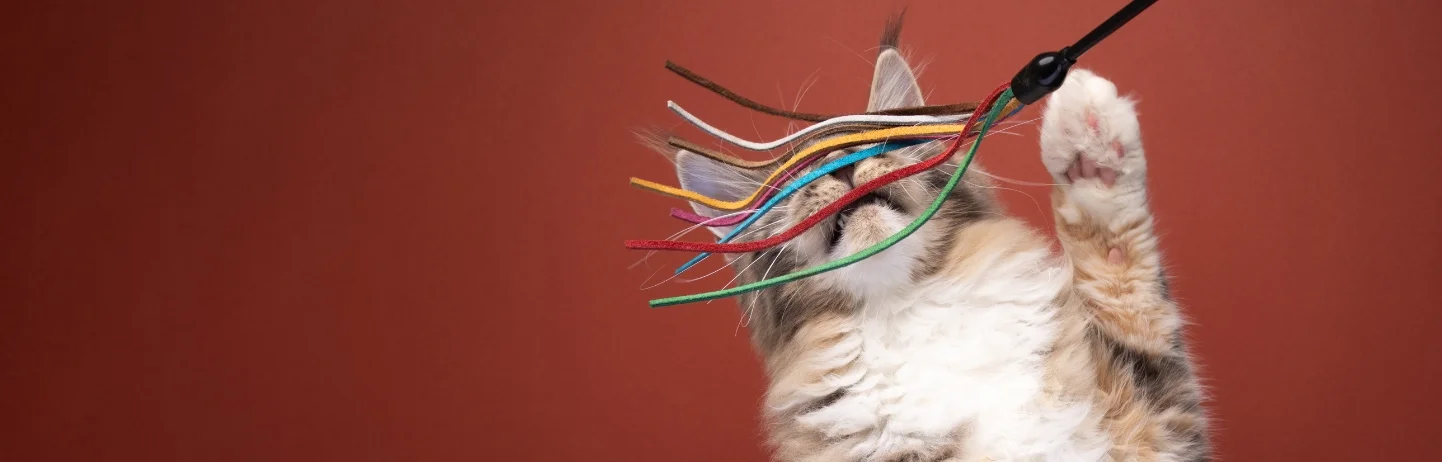
Puppies need something acceptable to bite. Keep chew toys in every room you spend time in so redirection is always possible. When your puppy starts mouthing your hands or clothing, calmly substitute a toy and praise them for taking it. During teething, cold or frozen chew toys provide extra relief. A damp knotted rope or washcloth frozen for a few hours works well. Avoid giving your puppy items that resemble things you do not want chewed - old shoes being the most common mistake owners make.Technique 3: positive reinforcement for gentle behavior
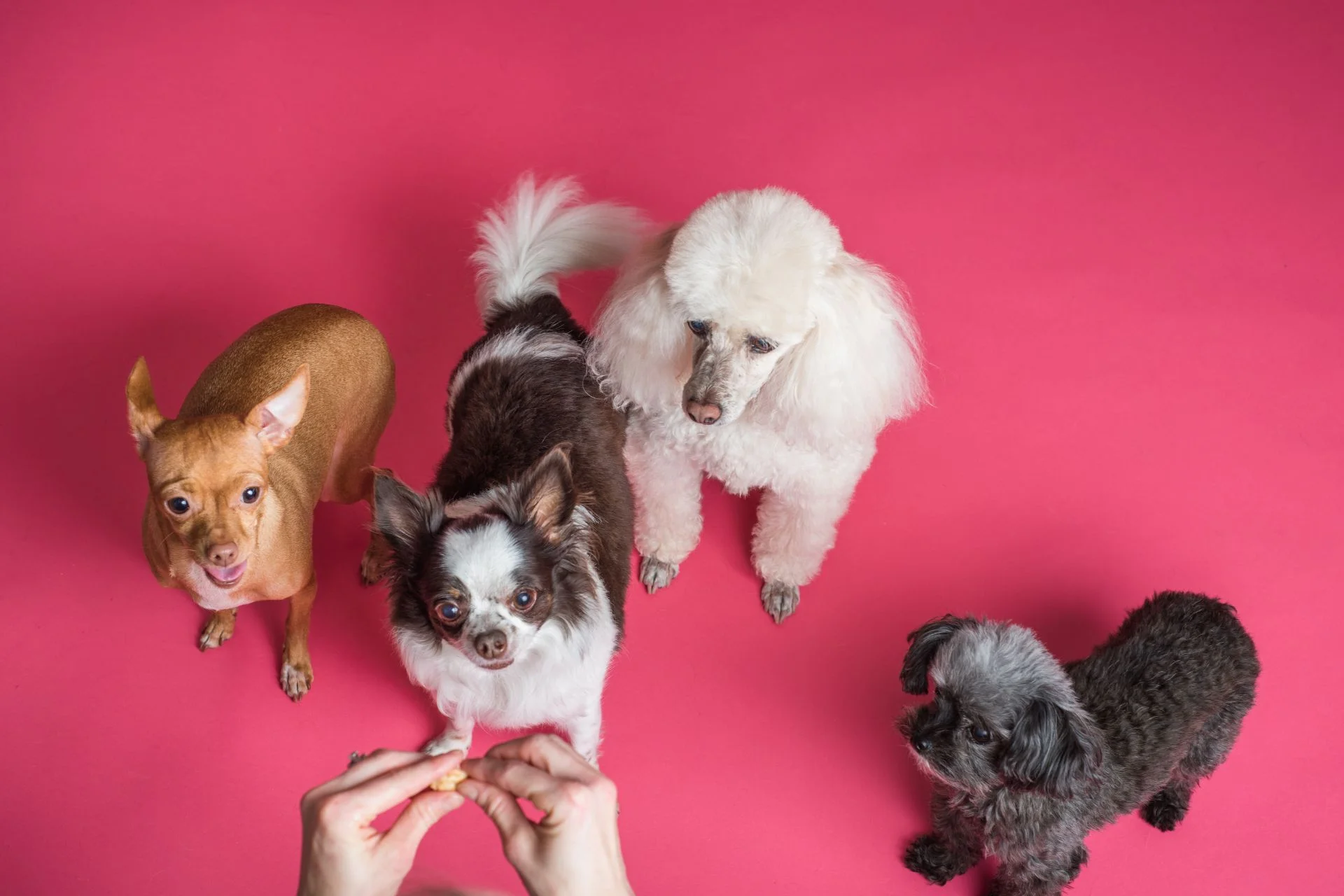
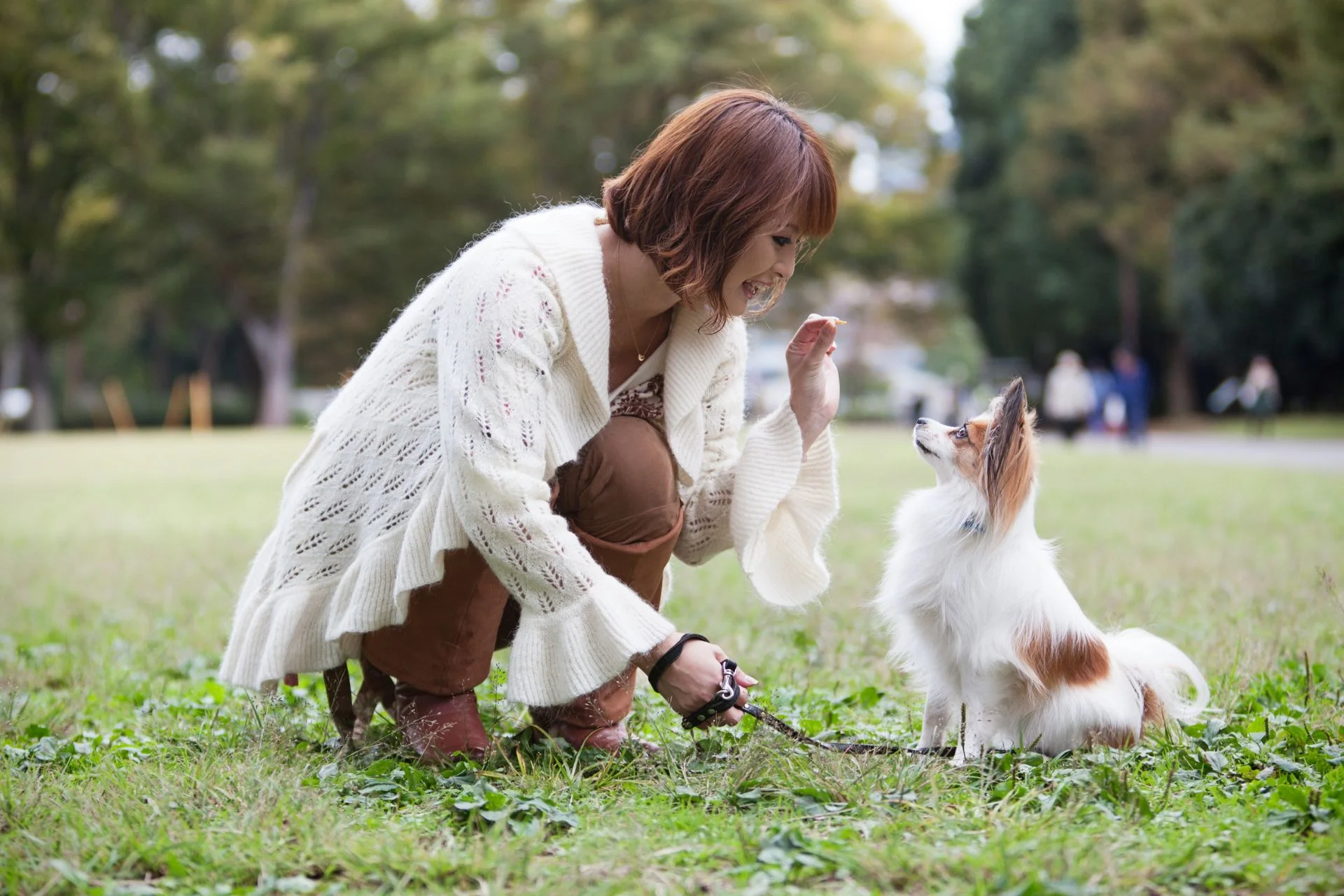
Every time your puppy interacts with you without biting - approaching calmly, sitting for attention, or mouthing softly and stopping when asked - mark that moment with praise and a small treat. Positive reinforcement builds the behaviors you want by making them worth repeating. The timing matters: the reward needs to come within two to three seconds of the behavior you are encouraging.Technique 4: socialization
One of the most reliable ways to reduce biting is thorough early socialization. Puppies that have regular, positive interactions with a variety of people, other dogs, and environments are far less likely to bite from fear or anxiety. Well-socialized puppies are generally more relaxed and easier to train across all behaviors.Technique 5: consistent rules across your household
Consistency from everyone your puppy interacts with matters as much as technique. If one person in the household lets mouthing slide while others correct it, your puppy receives mixed signals and the behavior takes much longer to resolve. Agree on a single response - the yelp-and-stop method - and ensure every adult and child in the household applies it the same way, every time.Technique 6: set physical boundaries during play
Create situations where your puppy can play freely but also learns when play time ends. Designate specific play sessions rather than letting interactions happen in a scattered, reactive way. When you end a session calmly on your terms, your puppy learns that biting does not control how long they get your attention.Technique 7: manage the teething phase
The teething phase, roughly three to six months, can intensify biting as adult teeth push through. During this period, increase the availability of appropriate chew items so your puppy always has an alternative. Offer frozen chew toys after high-energy play. Keep valuable items out of reach, and be patient with any regression - discomfort genuinely affects a puppy's ability to focus on training. The teething phase passes. Most puppies have their full set of adult teeth by six to seven months, and biting typically decreases substantially after that point if training has been consistent.Technique 8: seek professional help for persistent biting
If biting persists beyond seven or eight months, intensifies rather than decreases, or is accompanied by stiff body language and growling, consult a qualified trainer or behaviorist. Persistent mouthing in older puppies is sometimes a learned behavior pattern that needs structured work, and true aggression requires professional assessment rather than self-managed training.What to tell a dog walker or pet sitter
If a dog walker, pet sitter, or house sitter is involved in your puppy's care during this phase, they need to follow the same approach you use at home. Inconsistent handling across caregivers is one of the most common reasons biting habits persist past the age when they typically resolve. Before any sitter or walker starts, explain:- The yelp-and-stop method you use when biting is too hard
- Which chew toys to offer as redirects and where they are kept
- Not to pull hands away quickly or engage in rough play that escalates mouthing
- That ignoring the puppy briefly after a hard bite is part of the training, not rudeness
- How to reward calm, gentle interaction with treats or praise
Frequently asked questions
1. Why does my puppy keep biting even when I say no?
Saying "no" without also stopping play and redirecting to a toy does not give your puppy enough information to change the behavior. Puppies respond better to clear consequences than verbal corrections alone. Stop all interaction immediately when biting occurs, wait a few seconds, then offer a chew toy. Repeat this consistently with every person your puppy interacts with - the word alone, without the behavioral follow-through, has very little effect.
2. At what age do puppies stop biting?
Most puppies reduce biting significantly between four and six months as teething eases and bite inhibition training takes effect. Some continue light mouthing until around seven or eight months. If biting is persistent or intensifying after six months despite consistent training, a session with a qualified trainer is worth considering to rule out anxiety or a learned attention-seeking pattern.
3. Is puppy biting a sign of aggression?
In most cases, no. Normal puppy biting is exploratory or play-related, not aggressive. True aggression involves stiff body language, sustained growling, and bites that escalate rather than respond to correction. If your puppy's biting is accompanied by growling, snapping, or a rigid posture, consult a trainer or behaviorist rather than treating it as standard mouthing behavior.
4. How do I stop my puppy biting my feet and ankles?
Ankle-biting is common in puppies with herding instincts, and also appears in other breeds during play. When it happens, stop moving entirely - movement triggers the behavior. Once your puppy pauses, redirect to a toy. Carrying a chew toy when walking through the house gives you an immediate redirect. Consistency from every person in the household is essential here, as this behavior often reinforces quickly when only some people respond to it.
5. Should I use bitter spray to stop puppy biting?
Bitter-tasting deterrent sprays can help protect specific objects from chewing, but they are less effective as a solution to general mouthing behavior. If your puppy bites hands or clothing frequently, bite inhibition training and redirection are more reliable approaches. Sprays work best for protecting specific items like cables or furniture legs, as part of a broader routine rather than as the primary training tool.
6. How do I brief a pet sitter or dog walker about my puppy's biting? 🐾
Give your sitter or walker the same instructions you follow at home. Explain the yelp-and-stop method, show them which chew toys to use, and ask them not to engage in rough play that escalates mouthing. Leave a short written note near the dog's things with the key points. A consistent response from every caregiver - including walkers, house sitters, and regular visitors - is what makes the training stick, and it cannot happen if each person handles biting differently.
Teaching a puppy not to bite is straightforward in principle: every person your puppy interacts with needs to respond the same way, every time. That consistency, over weeks rather than days, is what produces lasting change.