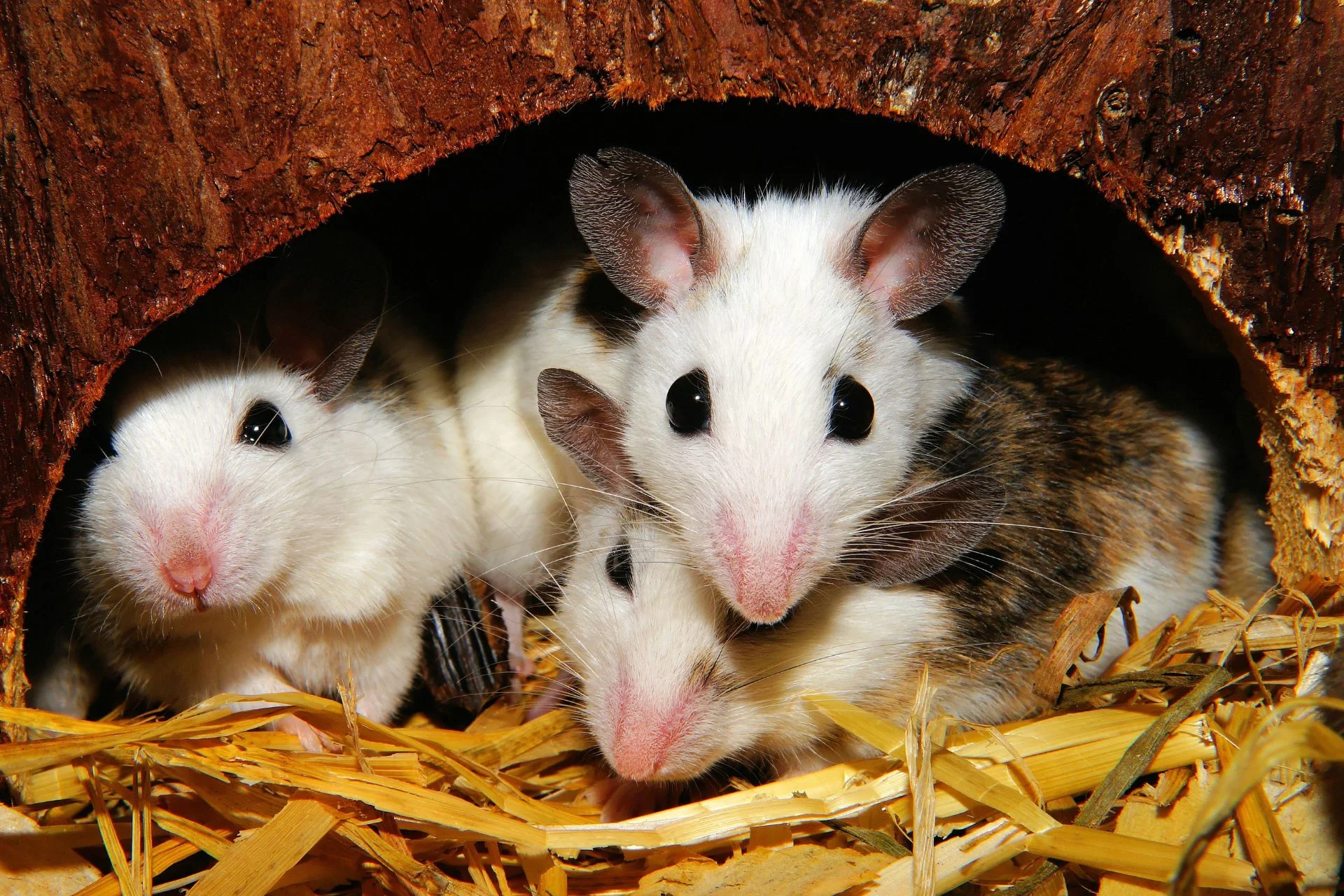
Mice are curious, active animals that require more thought and attention than their small size suggests. Getting the basics right early, particularly housing, diet, and handling, makes a significant difference to their health, lifespan, and how much they enjoy human interaction.
Understanding mice as pets
The most common pet mouse is the fancy mouse (Mus musculus), a domesticated variety bred specifically for temperament and appearance. Fancy mice come in many color varieties and coat types. Other less common options include the African pygmy mouse and the deer mouse, each with slightly different care requirements. Mice are social animals. A single mouse kept alone is more likely to become stressed and show behavioral problems than one kept with companions. Same-sex pairs or small groups are generally recommended, particularly two females, as male mice can occasionally fight when housed together. Introductions should be done gradually with supervised contact before cohabitation. Pet mice are primarily nocturnal. They are most active in the evening and overnight, which is worth considering when planning their care routine.Preparing the right housing
Choosing the right cage is one of the most important decisions for mouse owners. The cage should be well-ventilated, escape-proof, and large enough for multiple mice to establish territories and move freely. Wire cages with solid bases are a practical choice as they provide airflow and easy cleaning access. Glass tanks can work but require vigilance about ventilation to prevent ammonia buildup from urine. Bedding should be paper-based, compressed paper pellets, or hemp bedding. Provide several inches of depth for burrowing. Avoid cedar and pine shavings, which release aromatic compounds that irritate the respiratory system. Include hides, tubes, ramps, and climbing structures to support natural behaviors. Mice explore, climb, and burrow constantly, and a bare cage provides none of the mental stimulation they need. A solid-surface running wheel is also an important addition for exercise.Feeding and nutrition
A balanced diet for pet mice starts with high-quality commercial mouse food as the base. Look for a mouse-specific formula rather than a seed-only mix, as seed mixes tend to be nutritionally incomplete and encourage selective eating. A laboratory block or pellet diet supplemented with fresh foods covers their nutritional needs well. Fresh vegetables can be offered in small amounts several times per week. Safe options include broccoli, peas, leafy greens, and carrots. Fresh fruit is also acceptable in very small amounts, but its sugar content means it should be a treat rather than a regular offering. Foods to avoid include chocolate, caffeine, onions, garlic, citrus fruits, raw potato, and highly processed human snacks. These can cause digestive upset or toxicity. Ensure fresh water is always available. A sipper bottle attached to the cage keeps the water clean and prevents bedding contamination.Health and wellness
A healthy mouse has a clean, well-groomed coat, clear bright eyes, a good appetite, and moves alertly when active. Droppings should be well-formed and consistent in size. Common health issues in pet mice include respiratory infections (indicated by labored breathing, clicking sounds, or discharge from the nose or eyes), dental problems (overgrown incisors can prevent eating), and external parasites such as mites or lice (indicated by excessive scratching, hair loss, or skin irritation). Tumors are also relatively common in mice, particularly in females, due to their short lifespan and reproductive biology. Preventive care involves maintaining clean housing, providing a balanced diet, and minimizing stressors. Find a veterinarian experienced in small rodent care before you need one in an emergency, as not all general practices have staff comfortable treating mice.Handling and socializing
Mice can become comfortable with handling if the process is introduced gradually and positively. Begin by letting them investigate your hand in the cage without picking them up. Once they approach willingly, try scooping them up from below rather than grabbing from above, which mimics a predator attack. Handle mice close to a flat surface so that if they jump, the fall is minimal. Short, regular sessions are more effective for building trust than infrequent long ones. Offer small treats during handling to create a positive association. Some mice become genuinely comfortable with humans and will explore a hand freely. Others remain cautious. The degree of friendliness varies by individual, and it cannot always be improved beyond a certain point with socialization alone.Maintaining cleanliness
Mice produce waste continuously and require regular cage cleaning. Spot clean daily by removing soiled bedding and any uneaten fresh food. A full cage clean, replacing all bedding and washing the cage with a mild, pet-safe disinfectant, should happen at least once weekly, more frequently for larger groups. Leave a small amount of used bedding in the cage after cleaning so mice retain some familiar scent and do not experience the clean environment as entirely foreign. Wash your hands before and after handling mice to protect both you and the animals from transferring bacteria or irritants.Behavior and enrichment
Normal mouse behavior includes constant investigation of the environment, burrowing, nest building, social grooming, and running on the wheel. Mice that spend most of their time inactive, sit hunched, or stop eating may be unwell. Behavioral problems like excessive bar chewing or stereotyped pacing usually indicate an insufficient environment rather than inherent character flaws. Adding more hiding places, nesting material, and varied objects to explore generally resolves these issues. Rotate enrichment items periodically. New textures, smells, and objects provide low-cost mental stimulation that keeps mice engaged between cleaning days.Leaving your mice with a pet sitter
Mice are lower-maintenance to hand off to a sitter than a dog or cat, but they are not care-free. Their fast metabolism means they cannot go without food or water for more than a day, and their small size means health problems can escalate quickly if unnoticed. Before leaving your mice with a sitter, provide:- Written feeding instructions with the exact food used, where it is stored, and how much to offer daily
- A water bottle check as a specific daily task, not just an afterthought
- Notes on normal behavior so the sitter can recognize changes, including what droppings should look like
- The location of the vet and emergency vet contact, noting that finding a vet willing to treat mice may require advance research
- Instructions for spot cleaning, including which areas tend to get soiled fastest
- A brief description of each mouse's individual personality and normal handling tolerance
Frequently asked questions
1. Can mice be kept as pets?
Yes. Fancy mice are well-established pets that can be friendly, entertaining, and rewarding to keep when their needs are met. They require a proper cage setup, a balanced diet, social companionship from other mice, and regular cleaning. Their lifespan of 1.5 to 2.5 years is shorter than most pets, which is worth considering before committing.
2. How long do pet mice typically live?
On average, 1.5 to 2.5 years. Some mice with excellent genetics and care reach 3 years. Females generally live slightly longer than males. Lifespan is strongly influenced by genetics, diet, housing conditions, and the quality of veterinary care received when health problems arise.
3. What is the best bedding for pet mice?
Paper-based bedding, compressed paper pellets, and hemp bedding are all good choices. Provide several inches of depth so mice can burrow, which is a natural and important behavior. Avoid cedar and pine shavings, which release compounds that irritate the respiratory system and have been linked to liver damage in rodents with long-term exposure.
4. Can mice be trained to do tricks?
Yes. Mice are intelligent and can learn to navigate mazes, respond to their names, and perform simple behaviors using positive reinforcement. Training sessions should be short and reward-based. Food treats work well as motivators. Regular interaction during training also improves overall handling tolerance.
5. Are mice nocturnal?
Primarily yes, though pet mice often adjust partially to household schedules and may be active during evening hours when their owners are home. The bulk of their activity still occurs overnight. This means the running wheel will be used most while you sleep, and early morning is often when mice are winding down rather than starting their day.
6. How do I prepare a pet sitter to care for my mice? 🐾
Leave written instructions covering daily food and water checks, spot cleaning tasks, and what normal mouse behavior looks like so deviations are recognizable. Show the sitter where everything is stored and walk them through the feeding and cleaning routine at least once before you leave. Provide vet contact details and note that a rodent-experienced vet may need to be identified in advance, as not all practices see mice. Mice are low-drama pets for an experienced sitter, but the small details around water and food consistency matter more than with larger animals.