Getting the diet right is one of the most important parts of caring for pet mice. Mice have fast metabolisms and relatively short lifespans, which means that nutritional imbalances show up more quickly than in longer-lived pets. Understanding what to feed them, how much, and what to avoid protects their health and directly affects how long and how well they live.
Why diet matters for pet mice
A balanced diet supports proper growth and development, maintains immune function, and reduces the risk of common health problems including obesity, dental disease, and metabolic disorders. An imbalanced diet does the reverse, often contributing to weight gain, poor coat condition, low energy, and a shortened lifespan. Pet mice are omnivores. They eat both plant material and animal protein in the wild, which is why seed-only diets, however popular in pet shops, fail to meet their nutritional needs. A diet based around commercial pellets or blocks, supplemented with fresh foods, comes much closer to what their biology requires.Commercial diets for pet mice
A reputable commercial mouse food should serve as the dietary foundation. The best options are complete laboratory block or pellet diets specifically formulated for mice, rather than seed or grain mixes. When choosing a commercial diet, look for:- A mouse-specific formula, not a general small animal mix
- Protein, carbohydrates, fats, and vitamins listed in appropriate proportions
- Whole food ingredients rather than primarily fillers or artificial additives
- Absence of excessive seeds or loose nut pieces, which mice may select over more balanced components
Fresh foods for pet mice
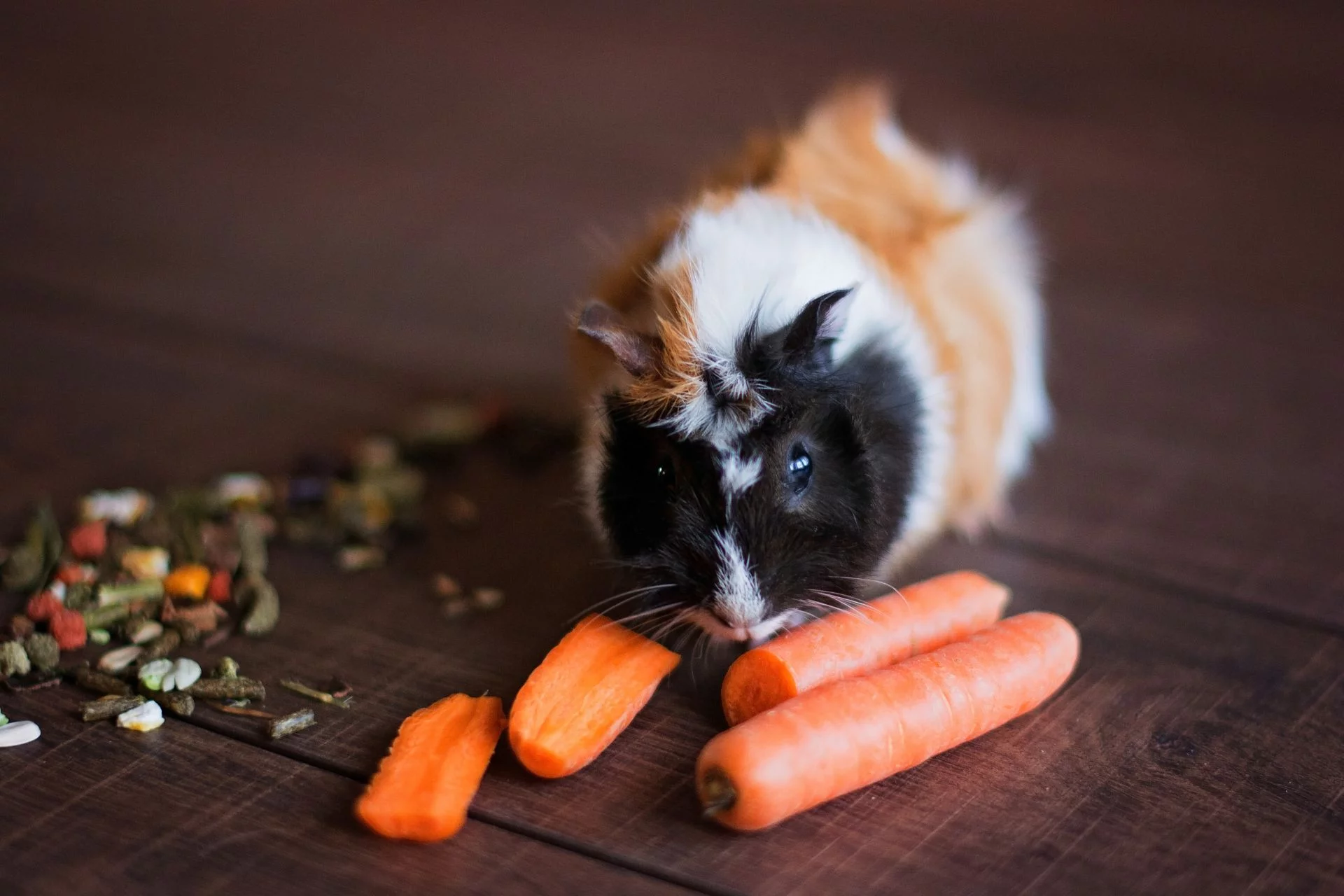
Fresh vegetables and a small amount of fruit add nutritional variety and enrichment to the diet. Good vegetable options include broccoli, peas, cooked sweet potato, leafy greens, and carrots. These can be offered in small portions several times per week. Fruit is acceptable in very small amounts due to its sugar content. A piece roughly the size of a pea is enough for one mouse. Suitable fruits include apple (without seeds), blueberries, and pear. Introduce new foods one at a time and watch for loose droppings or changes in eating behavior, which can signal digestive sensitivity to a particular food. Wash all fresh produce thoroughly before offering it, and remove uneaten fresh food from the cage within a few hours to prevent spoilage.Foods to avoid
Some foods are harmful or toxic to mice and must never be offered:- Chocolate and anything containing caffeine: both are toxic to mice and can cause serious harm in small amounts
- Onions and garlic: toxic to mice and can cause red blood cell damage
- Citrus fruits: the high acid content causes digestive problems
- Raw potato and potato leaves: contain solanine, which is toxic
- Avocado: contains persin, which is harmful to many small animals
- Alcohol and anything fermented
- Highly processed human food, salty snacks, and sweets: high sugar, salt, and fat content cause rapid weight gain and metabolic problems
Feeding schedule and portion control
Mice are most active at night, so offering food in the evening aligns with their natural feeding pattern. Provide fresh food at a consistent time each day to establish a routine. Portion size depends on the number of mice, their age, and their activity level. A general guideline is approximately 3 to 5 grams of commercial food per mouse per day, adjusted based on whether they are eating everything or leaving food consistently. Monitor body condition rather than adhering rigidly to a fixed amount. Obesity is a real risk for pet mice, particularly those in cages without sufficient exercise equipment or those fed excess treats. An overweight mouse will have difficulty grooming, may develop fatty tumors, and is at greater risk of heart and metabolic disease. Remove uneaten fresh food after a few hours. Dry commercial food can remain available continuously or be offered once daily depending on your routine and the mice's eating habits.Water requirements
Fresh water must be available at all times. A sipper bottle attached to the cage wall keeps water clean and prevents bedding from becoming saturated. Check the sipper mechanism daily, as the ball can become stuck and prevent water flow without any visible sign from outside the bottle. Change the water daily. Clean the bottle and sipper tube at least weekly to prevent algae and bacterial buildup.Treats and supplements
Treats should make up a small fraction of the overall diet. Choose treats made from natural ingredients without excessive sugar or salt. Small pieces of plain cooked chicken, mealworms, or commercial mouse treats from reputable brands are all suitable in moderation. Dietary supplements are generally not necessary when the base diet is nutritionally complete. If your mice are eating a high-quality commercial food, additional vitamins are unlikely to be needed and can cause toxicity if overdosed. Consult a veterinarian experienced with rodents before adding any supplement.Nutritional needs at different life stages
Mouse pups and pregnant or nursing females have higher caloric and protein needs than adult males or non-breeding females. Young mice benefit from the protein content of laboratory block diets and should not be restricted in how much they eat during the growth phase. As mice age, their activity may decrease while their caloric intake remains the same, which can lead to weight gain. Older mice may also develop dental problems that make harder foods difficult to consume. Monitoring body condition and adjusting the diet accordingly, with guidance from a vet if needed, keeps older mice comfortable.Feeding instructions for pet sitters
Mice need daily feeding and daily water checks. For a pet sitter unfamiliar with small rodents, a written feeding guide prevents errors that can go unnoticed until they cause harm. Before leaving your mice with a sitter, prepare:- The exact food you use, its location, and the daily amount to offer per mouse
- Which fresh vegetables are approved and how much to offer, with a note to remove uneaten fresh food after a few hours
- A daily water bottle check as an explicit instruction, including how to verify the sipper is working
- A list of foods that must never be given, with the most dangerous ones clearly noted
- What normal droppings look like and what changes should prompt a vet call
- Vet contact details, noting that a rodent-experienced practice may be needed
Frequently asked questions
1. Can pet mice eat cheese?
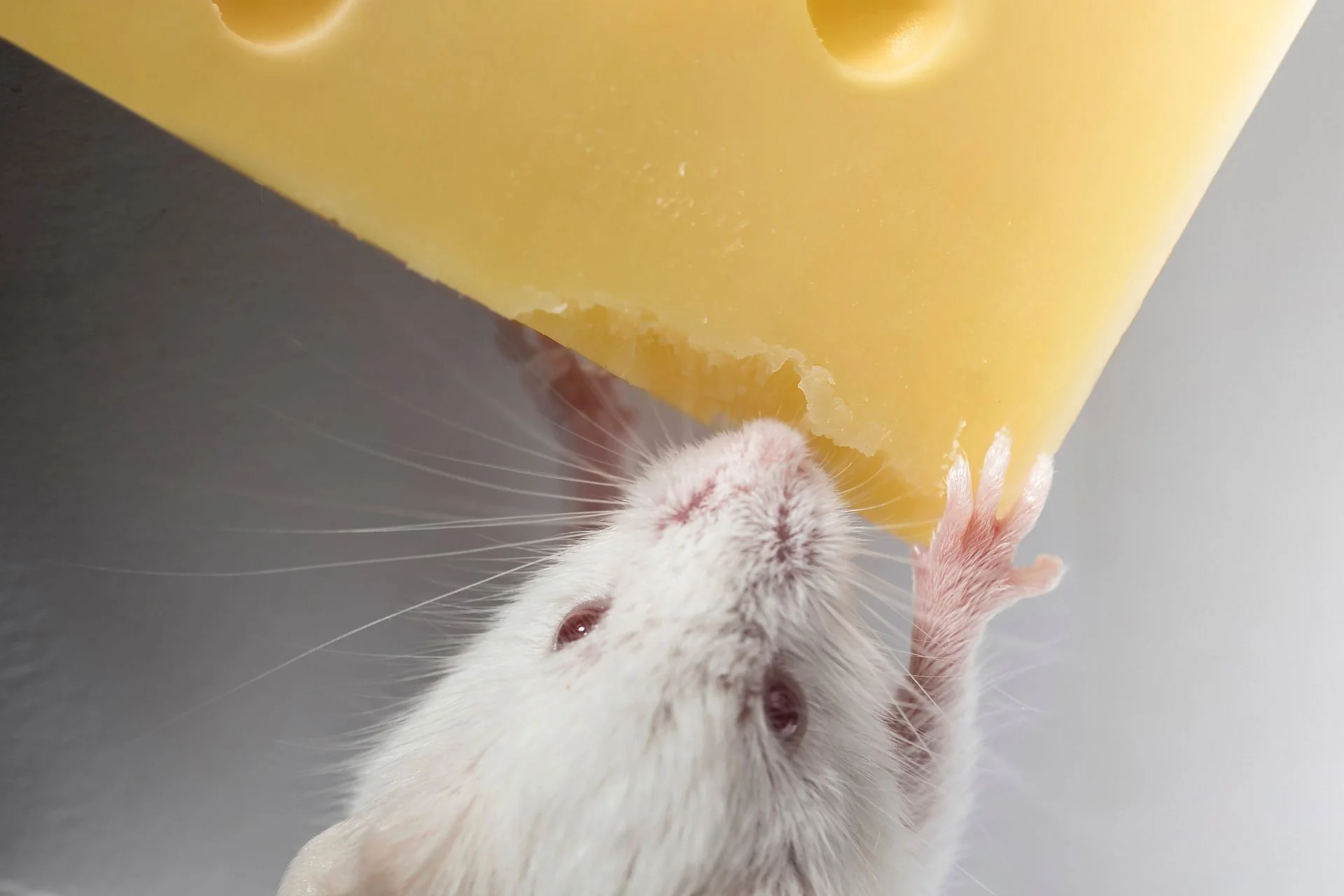
Cheese is not a recommended food for pet mice. Despite the cultural association, cheese is high in fat and can cause digestive issues in small amounts for mice. There is nothing in their nutritional requirements that cheese provides better than safer, lower-fat alternatives. Stick to the vegetables, fruits, and commercial food that make up a balanced diet.
2. How often should I change my pet mouse's water?
Change the water daily. Even if the bottle appears mostly full, water sitting in a bottle develops bacterial growth over time, particularly in warm environments. Also clean the bottle and sipper tube at least once weekly to prevent algae and mineral buildup that can affect water quality and flavor.
3. Can pet mice eat meat?
Yes, in small amounts. Mice are omnivores in the wild, not herbivores, and small amounts of animal protein can be part of a healthy diet. Plain cooked chicken, mealworms, or other clean protein sources can be offered occasionally as a treat. Do not make meat a daily staple, and never offer raw meat due to bacterial contamination risk.
4. What are the signs of obesity in pet mice?
An overweight mouse will appear notably rounder than usual, may move more slowly, and may have difficulty grooming the areas they normally reach easily. You should be able to feel their spine and ribs without pressing hard, but they should not be prominently visible. If you are uncertain, a vet experienced with rodents can assess body condition. Reducing portion size and increasing exercise opportunities are the primary interventions.
5. Should I feed my pet mouse human food scraps?
Not as a regular practice. Many human foods are not suitable for mice because of their salt, sugar, fat, or spice content. Plain cooked vegetables, small amounts of plain cooked grains, and minimal unseasoned protein are acceptable occasionally. Foods containing onion, garlic, chocolate, caffeine, or artificial sweeteners should never be offered. When in doubt, leave it out.
6. How do I make sure a pet sitter feeds my mice correctly? 🐾
Write out the full feeding routine before your trip. Specify the exact food, the amount per mouse, the feeding time, and which fresh foods are approved. Include an explicit instruction to check and refill the water bottle daily, since this is easy to overlook for someone not used to caring for small animals. Leave food clearly labeled and stored where the sitter can find it without searching. A brief demonstration session before you leave is the most effective way to confirm the sitter understands the routine.