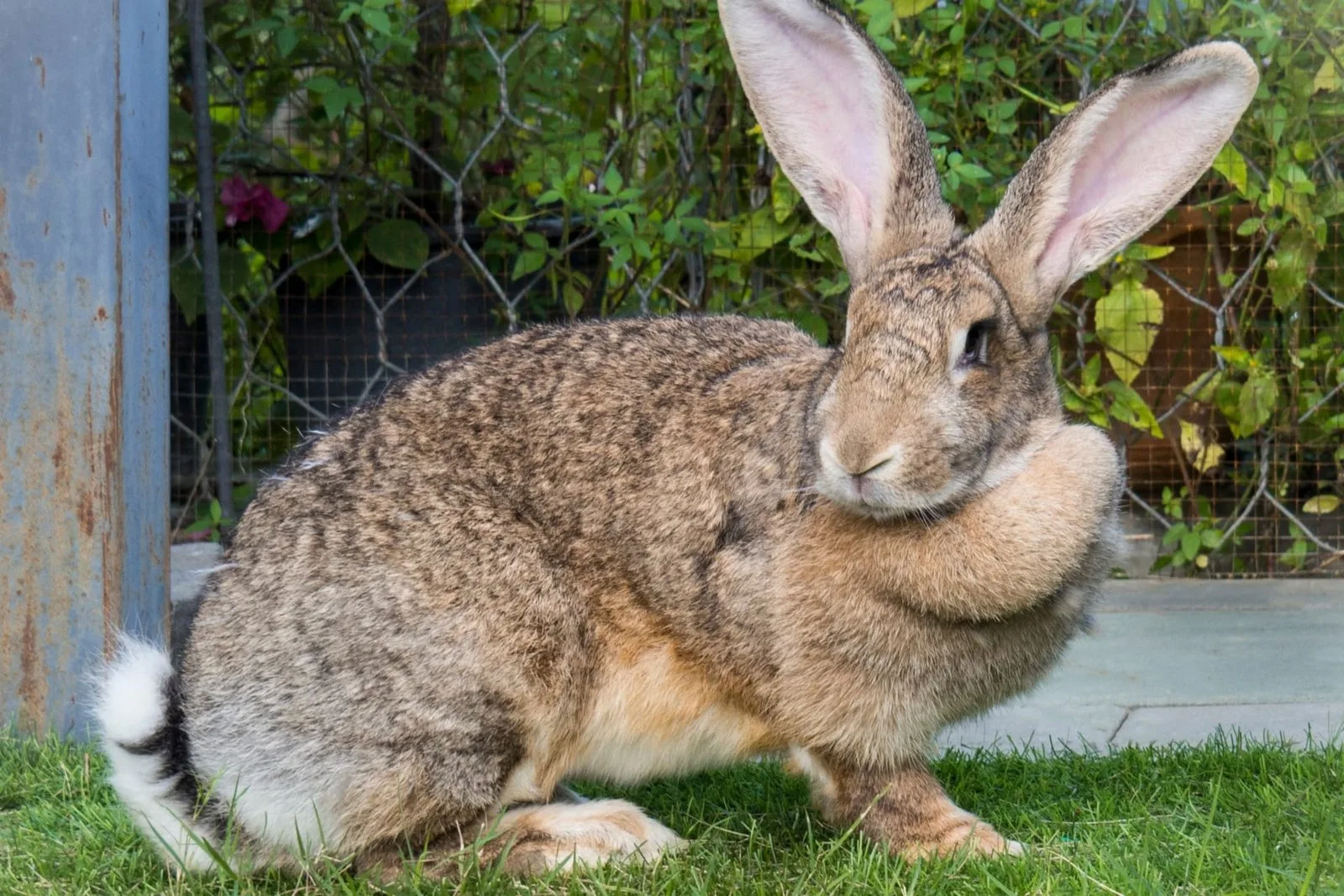
Rabbits are rewarding pets, but they are not low-maintenance in the way some owners expect. They have specific dietary needs, teeth that grow continuously, a digestive system that can stall fatally with insufficient fiber, and social needs that go beyond what a solitary rabbit left in a small cage can have met. This guide covers the core elements of care that any rabbit needs, regardless of breed or age.
Creating a safe environment
The enclosure should be large enough for the rabbit to fully stretch out, stand on their hind legs, and take at least three or four full hops in any direction. For most medium breeds, this means a minimum of 8 to 12 square feet of floor space inside the enclosure, with additional space for free-roaming time outside it. Larger breeds need proportionally more. Avoid wire-mesh flooring, which causes pressure sores on rabbit feet. Solid surfaces with bedding, such as compressed paper or wood pellets, are more appropriate. Rabbits are curious and they chew. Before allowing your rabbit to roam freely in your home, secure or cover electrical cords, remove toxic houseplants, and block access to areas with potential hazards. Bunny-proofing is an ongoing task, not a one-time setup. Ventilation matters too. Good airflow prevents respiratory problems without creating drafts that can chill a rabbit. Keep the enclosure in a temperature-stable area of the home, away from direct sunlight and radiators.Feeding and nutrition
Hay is the foundation of a rabbit's diet and should be available at all times, not rationed. It provides the fiber that keeps the digestive system moving and wears down teeth naturally. Timothy hay and orchard grass are standard choices for adult rabbits. For more detail on what rabbits should eat, see our guide on rabbit diet tips. Fresh leafy greens supplement the diet daily. Dark greens like romaine lettuce, kale, and fresh herbs are good choices. Introduce new vegetables gradually and one at a time to monitor for digestive sensitivity. Wash everything thoroughly before serving. Pellets should be high-quality and fed in measured amounts, not available freely. Overfeeding pellets causes obesity, which shortens lifespan and creates secondary health problems. A small amount of fresh rabbit-safe fruit can be offered as an occasional treat, not as a daily staple. Fresh, clean water must always be available. Use a heavy bowl or a water bottle; check and refill daily.Grooming and hygiene
Brushing frequency depends on coat type. Short-haired breeds need brushing once or twice a week. Long-haired breeds may need daily grooming to prevent matting, which can be painful and lead to skin infections underneath. During seasonal shedding, all rabbits benefit from more frequent brushing regardless of coat length, as ingesting large amounts of loose fur can cause digestive blockages. Nail trimming should happen every four to six weeks. Overgrown nails are uncomfortable and can become caught on surfaces. If you are not comfortable trimming nails yourself, a rabbit-savvy vet or groomer can do it. Rabbit teeth grow continuously throughout their life. A diet with sufficient hay naturally wears them down. Signs of dental problems include difficulty eating, drooling, or weight loss - any of these warrant a vet visit.Exercise and enrichment
Rabbits are active animals and need daily time outside their enclosure in a safe, rabbit-proofed area. Three to four hours of supervised free-roaming time per day is a realistic target for most breeds. This is not optional for physical health: rabbits confined to small enclosures without exercise develop muscular atrophy, obesity, and behavioral problems. Provide toys, tunnels, and chewable items both inside and outside the enclosure. Foraging toys and puzzle feeders extend the time rabbits spend actively engaged rather than sitting idle. Larger breeds need proportionally more space and stimulation to meet their needs adequately.Health and veterinary care
Find a rabbit-savvy veterinarian before your rabbit needs emergency care. Not all vets have experience with rabbits, and the difference in quality of care matters. Schedule routine checkups at least once a year to monitor teeth, weight, and overall condition. Vaccinations may be recommended depending on where you live. In many parts of Europe, vaccinations against Rabbit Hemorrhagic Disease (RHDV) and myxomatosis are standard. Discuss your rabbit's situation with your vet. Gastrointestinal stasis is one of the most serious conditions rabbits face. It occurs when the gut slows or stops moving, often triggered by insufficient hay, stress, or dehydration. Signs include reduced appetite, fewer or no droppings, a hunched posture, and reluctance to move. This is a veterinary emergency. Do not wait to see if it resolves on its own.Bonding and socialization
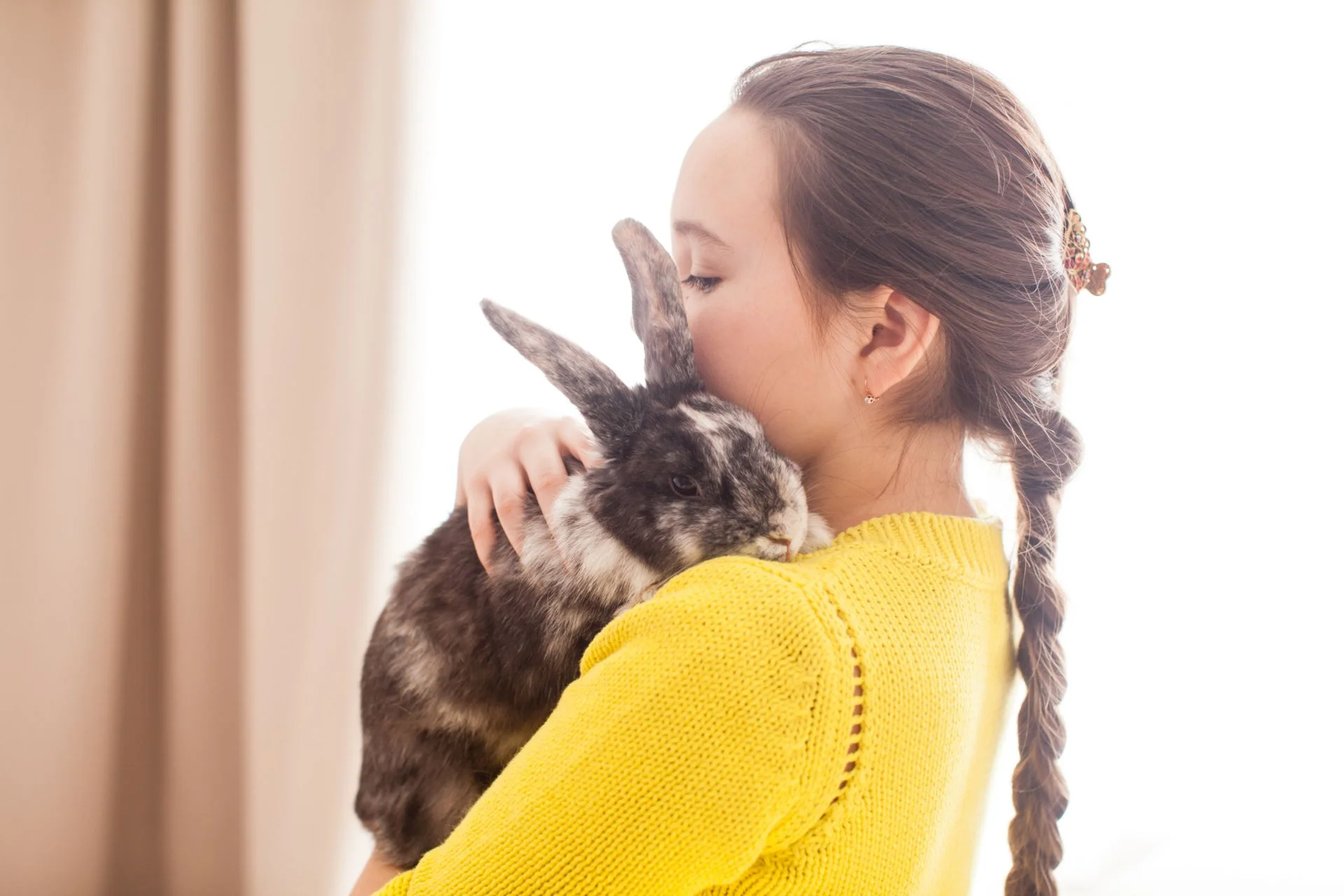
Rabbits are social animals and benefit from companionship. A single rabbit without sufficient human interaction or a compatible rabbit companion can become lonely and develop stress behaviors. If you have one rabbit and limited time for daily interaction, consider whether a bonded pair would suit your situation better. Learn to read rabbit body language. A relaxed rabbit will lie flat with soft eyes or perform binkies - sudden joyful leaps and twists. A stressed rabbit will flatten its ears, crouch, or thump. Understanding these cues helps you respond appropriately and builds trust over time.Leaving your rabbit with a pet sitter
At some point, most rabbit owners need to leave their rabbit with a pet sitter or house sitter. Rabbits are more sensitive to routine disruption than cats or dogs, so the handover needs to be more thorough than "here is the food and here is the litter box." Before a sit, prepare written instructions covering:- Feeding schedule with exact hay, pellet, and vegetable quantities and approved vegetable types
- Litter box location, cleaning frequency, and the litter brand used
- Exercise schedule and which areas the rabbit has access to during free-roaming
- Grooming requirements for your specific breed
- Signs of gastrointestinal stasis and the instruction to contact the vet immediately if appetite drops or droppings stop
- Vet contact details and the nearest emergency vet clinic
Frequently asked questions
1. Can rabbits be kept as indoor pets?
Yes, and most rabbits do well as indoor pets provided the home is rabbit-proofed and they have sufficient space to move and roam. Indoor rabbits are protected from predators, parasites, and temperature extremes. They also tend to become more comfortable with human company through daily proximity. The key requirements are the same as for outdoor rabbits: a large enough enclosure, daily exercise time, and a proper diet.
2. How often should I clean my rabbit's enclosure?
Spot cleaning to remove soiled bedding and droppings should happen daily. A thorough clean of the entire enclosure, with replacement of all bedding, should happen at least once a week. The litter box needs cleaning more frequently - every one to two days for most rabbits - as a dirty litter box can discourage use and allows bacteria to accumulate. Regular cleaning also lets you monitor droppings for changes in frequency or consistency.
3. What are the signs of a healthy rabbit?
A healthy rabbit has clear, bright eyes, a clean coat, a good appetite, regular droppings of consistent size and shape, and an alert, responsive demeanor during active periods. Healthy rabbits also perform their normal behaviors: foraging, exploring, occasional binkying, and resting in relaxed positions. Changes in any of these - reduced appetite, changes in droppings, lethargy, hunching - warrant a vet consultation promptly.
4. Can rabbits be litter trained?
Yes, most rabbits can be reliably litter trained. They naturally choose one or two corners for elimination, and placing a litter box in the corner they already prefer establishes the habit quickly. Rewarding correct use with treats reinforces it. Clean the box regularly so the rabbit continues to find it acceptable. Most rabbits maintain litter training reliably once established, though stress or illness can temporarily disrupt it.
5. How can I prevent my rabbit from chewing on furniture?
Provide appropriate chew alternatives - untreated wooden toys, willow rings, and compressed hay toys give a rabbit something acceptable to chew. Make furniture and cables physically inaccessible in areas where the rabbit roams. Bitter sprays can deter chewing on specific surfaces but are not a substitute for enrichment. Rabbits chew because they need to, not out of spite. Providing better alternatives is more effective than trying to eliminate the behavior entirely.
6. How do I find a pet sitter experienced with rabbits? 🐾
Ask specifically about rabbit experience when contacting potential sitters. Questions worth asking: how many rabbits have you cared for, how do you handle a rabbit that refuses to eat, and what rabbit health situations have you encountered? Read reviews that mention rabbits specifically rather than relying on general positive feedback. During the meet and greet, ask the sitter to demonstrate how they would pick up your rabbit - incorrect handling technique is a clear indicator that more preparation is needed before the sit.