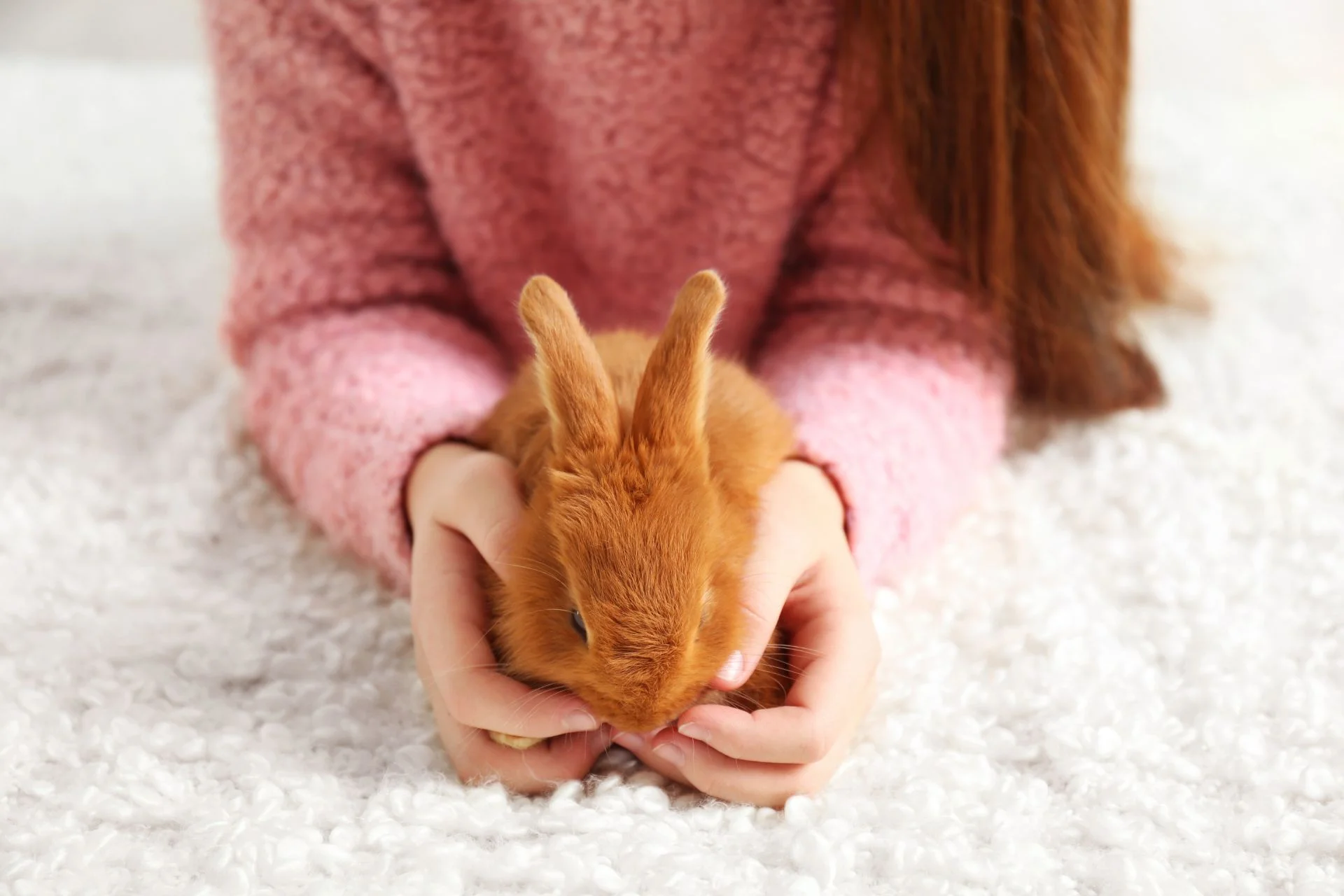
Small rabbit breeds appeal to owners who want the full rabbit experience in a more compact form. They suit apartments and smaller homes well, and many of the most popular small breeds have gentle, sociable temperaments that make them good companions for adults and children alike. The trade-off for their size is not lower care requirements - small rabbits need the same attention to diet, exercise, and health as their larger counterparts.
Factors to consider when choosing a small rabbit breed
Size varies even within the small breed category. The Netherland Dwarf sits at the compact end, rarely exceeding 2.5 pounds, while breeds like the Holland Lop or Mini Rex reach 4 to 6 pounds. The size of the rabbit should align with your available space - even small breeds need enclosures large enough to stretch, stand upright, and move freely. Temperament varies significantly between breeds. Some small rabbits are relaxed and enjoy being handled; others are energetic and prefer to explore rather than sit still. Choosing a temperament that matches your lifestyle and expectations produces a better outcome than choosing based on appearance alone. Grooming requirements differ. Short-haired small breeds need less maintenance than long-haired ones. The Lionhead, for example, requires regular brushing of its mane to prevent matting - a commitment that short-haired breeds do not demand. If you travel frequently and need a pet sitter to manage grooming, this is a meaningful consideration. Lifespan for small rabbit breeds typically ranges from 8 to 12 years, sometimes longer with good care. This is a long-term commitment, and it is worth approaching the decision accordingly.Netherland Dwarf
The Netherland Dwarf is one of the smallest rabbit breeds, rarely exceeding 2.5 pounds. Its compact build, round face, and short ears give it a distinctive appearance. Netherland Dwarfs can be lively and somewhat independent - they are curious animals that enjoy exploring but are not always keen on being picked up. Socialization from a young age helps considerably with handling tolerance.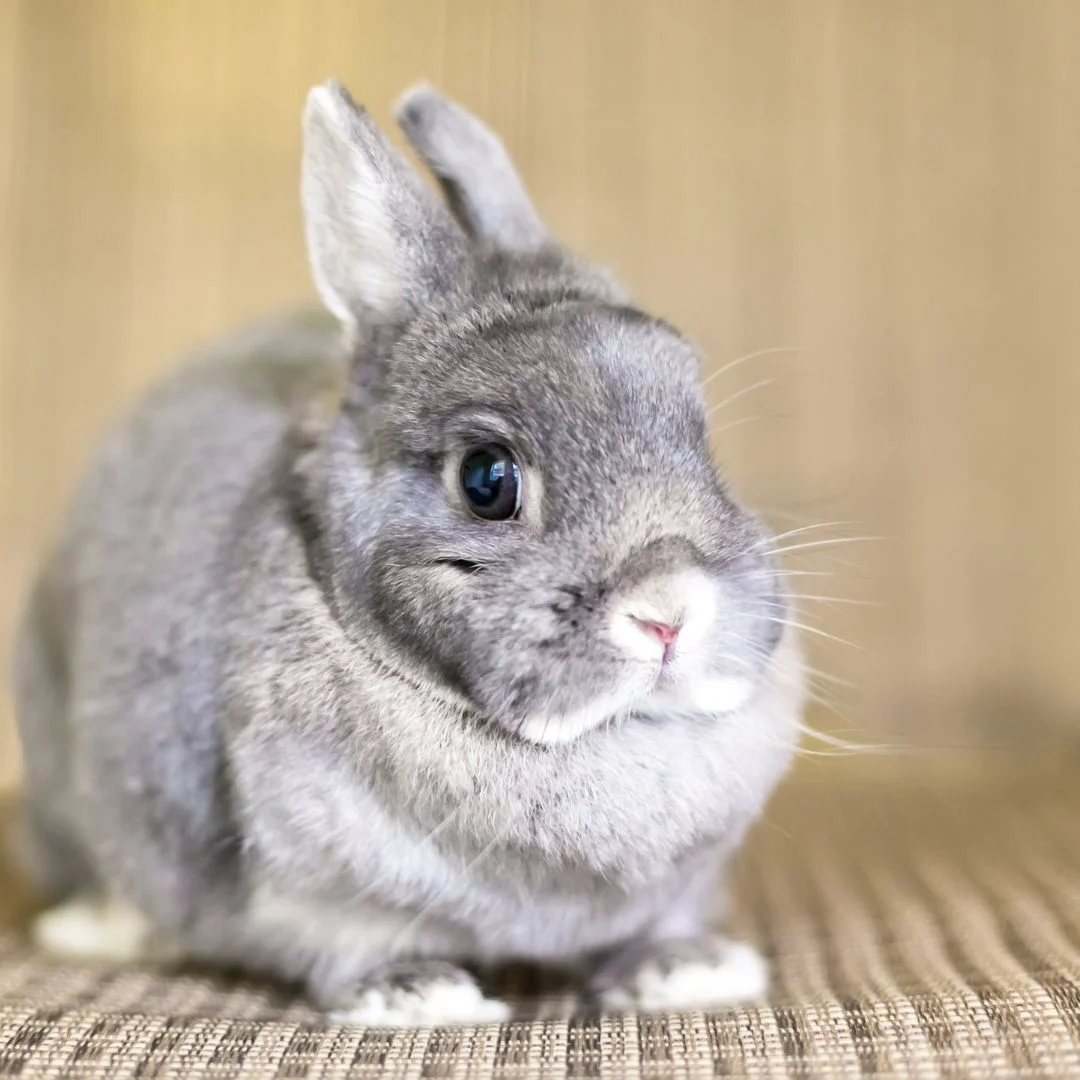
Holland Lop
The Holland Lop is widely regarded as one of the friendliest small rabbit breeds. Its floppy ears and compact body make it immediately recognizable. Holland Lops are generally calm, enjoy human interaction, and adapt well to household life. Their ear folds need periodic checks to prevent debris accumulation. They are among the most popular choices for owners who travel, as their even temperament makes them easier for pet sitters to manage.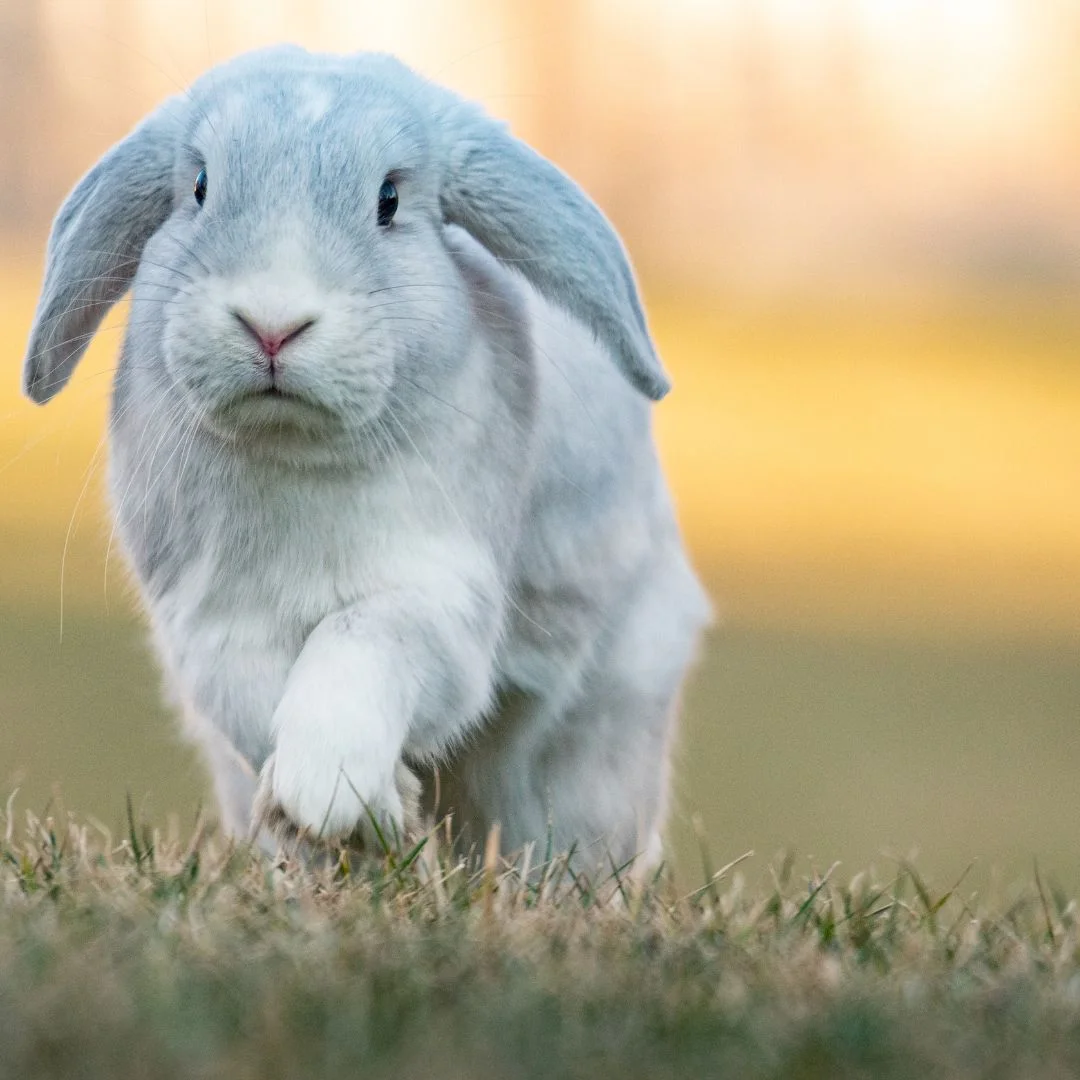
Mini Rex
The Mini Rex is admired for its distinctively velvety, plush coat - a result of a genetic mutation that gives the fur a different texture from other breeds. They are playful and outgoing, enjoy interaction, and are generally comfortable with handling. Their coat requires less brushing than most other breeds, which makes them a practical choice for owners with less time for grooming.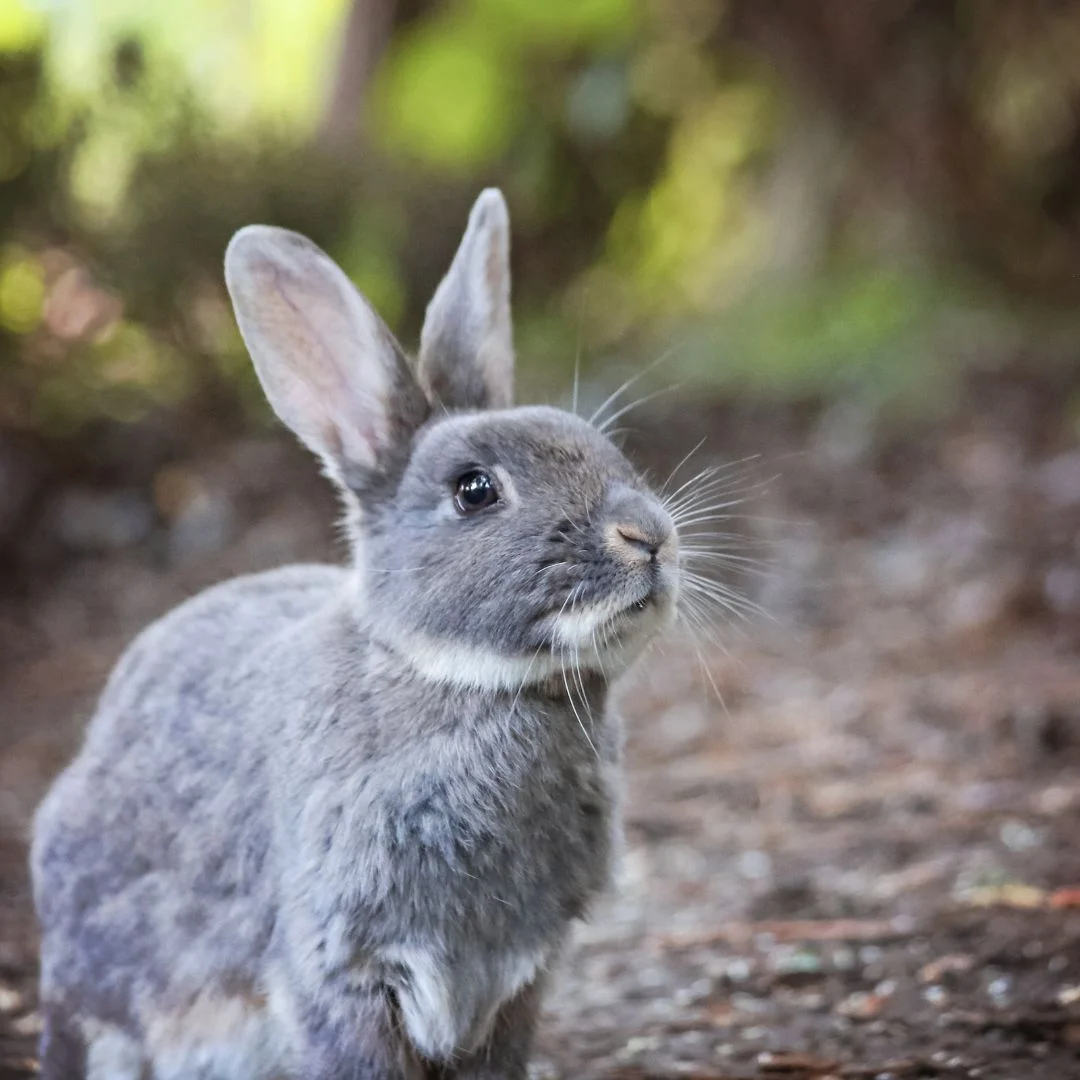
Lionhead
The Lionhead is recognized by the distinctive mane of longer fur around its head. They are sociable and enjoy human company. The mane requires regular brushing to prevent matting - how much brushing depends on whether the rabbit has a single mane (less dense) or double mane (more dense). For owners who need to leave their rabbit with a sitter, this grooming requirement means sitters need specific instruction and ideally some experience.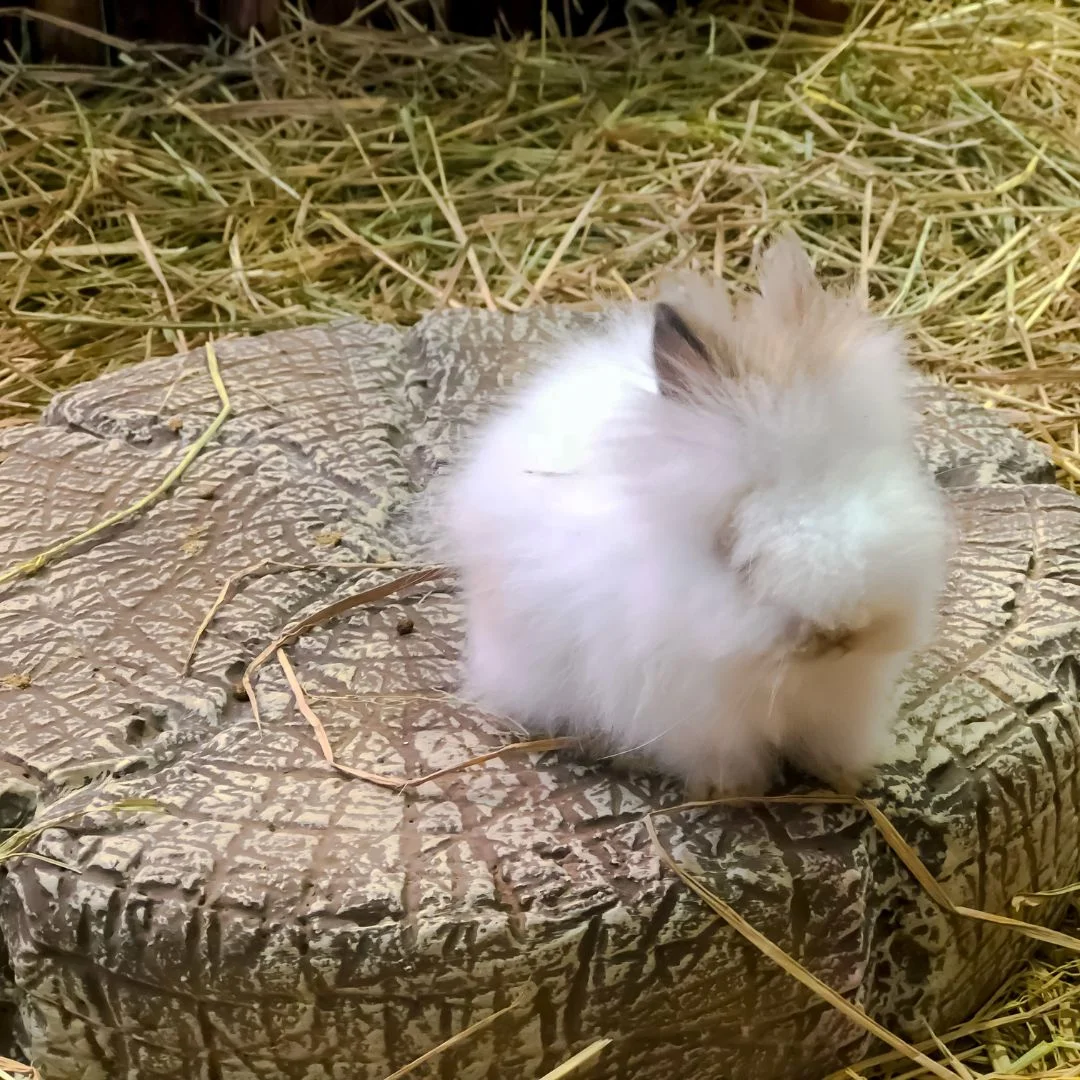
Miniature Lion Lop
The Miniature Lion Lop is a crossbreed combining the Lionhead's mane with the Holland Lop's floppy ears. The result inherits characteristics from both parent breeds: sociable, gentle, and visually distinctive. Grooming involves both mane care and ear checks, making them slightly more demanding than a plain Holland Lop but still manageable for attentive owners.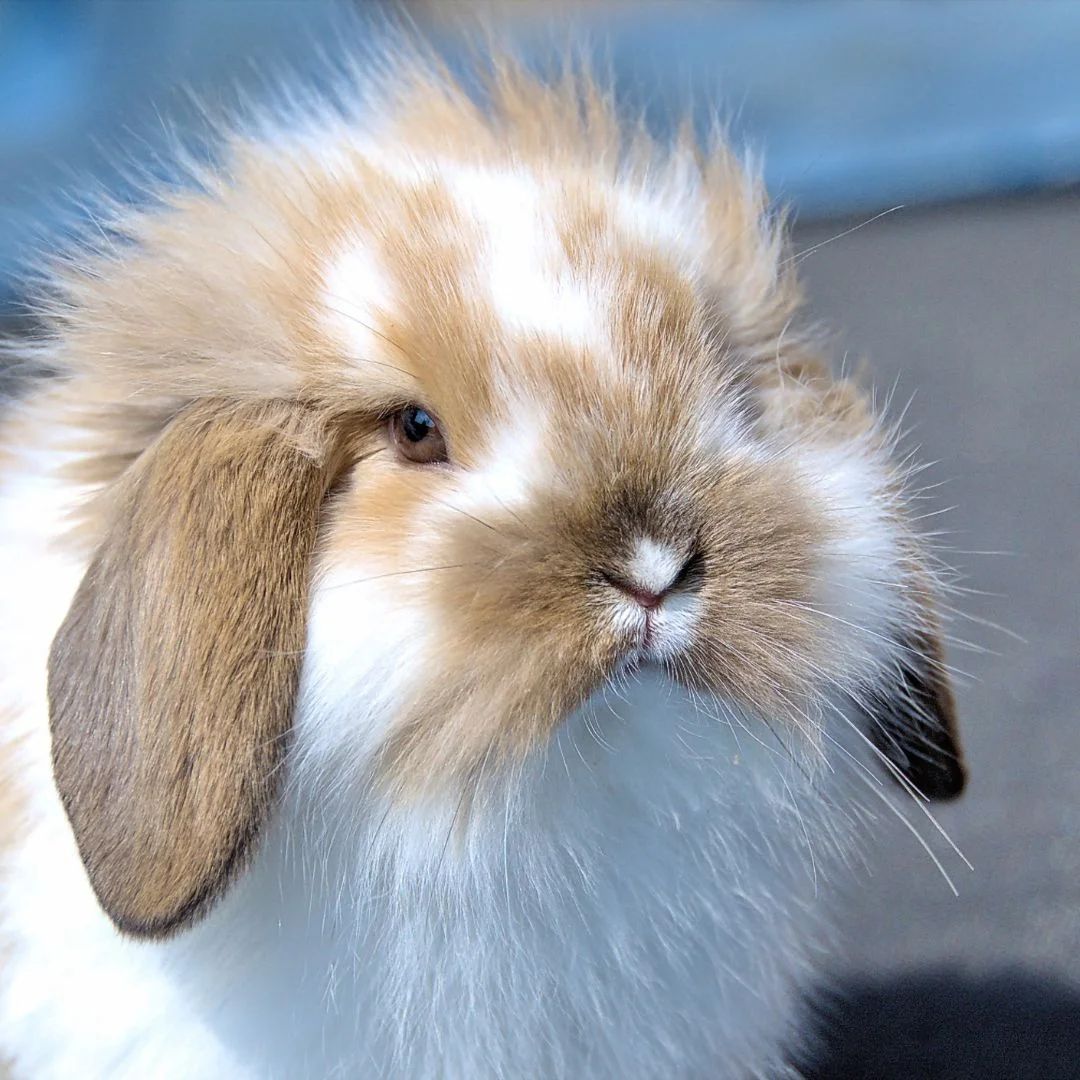
Housing small rabbits
Small does not mean minimal space requirements. Even the smallest rabbit breeds need an enclosure large enough to stand upright on their hind legs, fully stretch out, and take several hops in any direction. A minimum of 6 to 8 square feet of enclosure floor space is a practical starting point for small breeds, with daily supervised free-roaming time outside the enclosure in a rabbit-proofed area. Bedding should be paper-based or wood-pellet litter, not sawdust or cedar shavings, which can irritate the respiratory tract. Provide a hideout or enclosed space within the enclosure so the rabbit can retreat when it wants to.Diet for small rabbit breeds
The principles are the same as for all rabbits. Hay should be available at all times and form the majority of the diet. Daily leafy greens provide vitamins and minerals. Pellets should be measured, not offered freely. For full feeding guidance, see our article on rabbit diet tips. Small breeds can be prone to obesity on pellet-heavy diets, as owners sometimes misjudge portions relative to the rabbit's compact size. Unlimited hay alongside measured pellets keeps weight in check.Health concerns for small rabbit breeds
Dental problems are common in small breeds, particularly in compact-faced breeds like the Netherland Dwarf. Their shorter jaw means teeth can become misaligned more easily. Sufficient hay intake wears teeth down naturally, but regular dental checks with a rabbit-savvy vet are still recommended. Gastrointestinal stasis - a dangerous slowing or stopping of gut movement - is a risk for all rabbits but is often triggered by stress, insufficient hay, or dehydration. Signs include reduced appetite, fewer droppings, and a hunched or withdrawn posture. This is a veterinary emergency. Parasites, including fleas, mites, and intestinal worms, can affect small rabbits. Regular monitoring, appropriate preventive care, and a clean enclosure reduce the risk.Leaving a small rabbit with a pet sitter
Small rabbit breeds generally adapt more easily to temporary caregivers than large breeds, but they still benefit from careful preparation. The breeds most likely to settle well with a sitter are Holland Lops and Mini Rex, which tend to be calm and socially flexible. Netherland Dwarfs can be more cautious with strangers and may need more time to adjust. Before leaving your small rabbit with a sitter, provide:- Written feeding instructions with exact hay, pellet, and vegetable quantities
- The litter box location and cleaning routine
- Grooming instructions specific to the breed - particularly important for Lionheads and Miniature Lion Lops
- The exercise routine and which areas the rabbit has access to
- Signs of gastrointestinal stasis and the emergency vet contact
- Notes on how your rabbit behaves with strangers and how to approach it if it is cautious
Frequently asked questions
1. Can small rabbits be kept outdoors?
Small rabbits can be kept outdoors in a suitable enclosure, but it requires more attention than indoor keeping. The enclosure must be fully secure against predators including cats, foxes, and birds of prey, and insulated against cold weather. Rabbits do not tolerate temperature extremes well. Many owners who keep rabbits outdoors bring them inside or into a sheltered space during winter months or very hot periods.
2. How often should I groom my small rabbit?
It depends on the breed and coat type. Short-haired breeds like the Netherland Dwarf, Holland Lop, and Mini Rex need brushing once or twice a week, more during shedding season. Long-maned breeds like the Lionhead and Miniature Lion Lop need more frequent mane brushing to prevent matting - daily in some cases. Check ears in lop-eared breeds for debris accumulation, and trim nails every four to six weeks regardless of breed.
3. Are small rabbits good pets for children?
Some small breeds are well-suited to families with children; others are not. Holland Lops and Mini Rex tend to be gentle and tolerant of handling, making them more appropriate for children. Netherland Dwarfs can be quicker and less tolerant of being picked up, which can make them harder for young children to manage safely. Interactions between children and rabbits should always be supervised, and children should be taught to let the rabbit approach rather than grabbing it.
4. How long do small rabbit breeds live?
Small rabbit breeds typically live 8 to 12 years, with some individuals reaching longer. Lifespan depends on genetics, diet, how much exercise the rabbit gets, and the quality of veterinary care across its life. Breeds with very compact facial structures like the Netherland Dwarf can be more prone to dental issues, which can affect overall health and longevity if not managed.
5. What are the most common health issues in small rabbits?
Dental problems are among the most common, particularly in compact-faced breeds. Gastrointestinal stasis is a serious risk for all rabbits and can develop quickly. Obesity is common in rabbits fed pellet-heavy diets. Respiratory infections, parasites, and urinary problems are also seen regularly. Routine vet checkups once or twice a year, alongside a hay-based diet and sufficient daily exercise, prevent or catch most of these conditions before they become serious.
6. Which small rabbit breed is easiest for a pet sitter to care for? 🐾
The Holland Lop is generally the easiest small breed for pet sitters to manage. Its calm, social temperament means it usually accepts new caregivers without extended stress, and its short coat requires minimal grooming. The Mini Rex is a close alternative with similarly low grooming demands and a friendly personality. Lionheads and Miniature Lion Lops require mane brushing that not all sitters can do correctly, so they are better suited to owners who either travel infrequently or can find a sitter with specific experience.