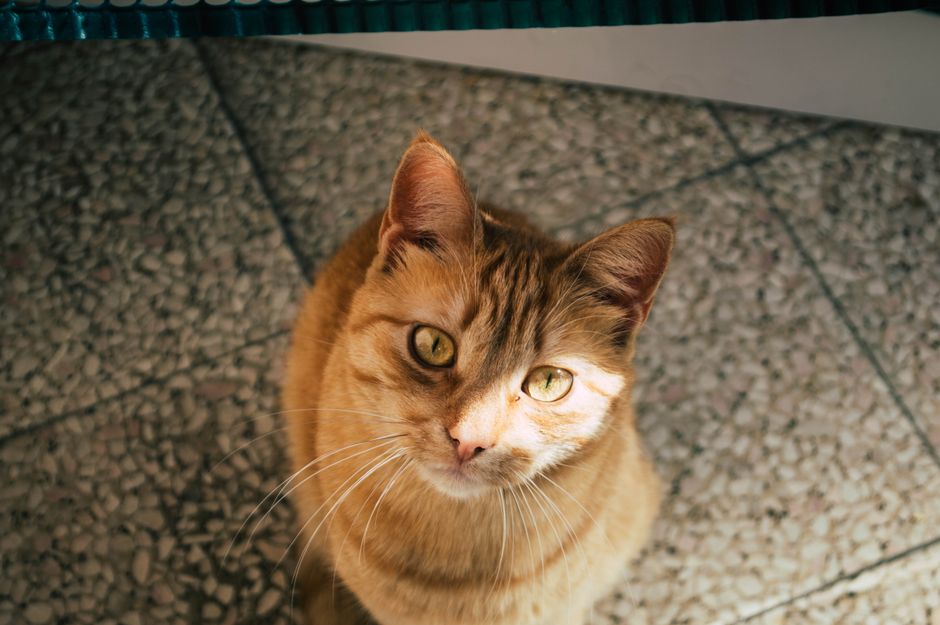
Why cat sitter visits matter
Cats are independent, but that independence has limits. While you are away, a cat sitter makes sure your cat gets fed, the litter box stays clean, and they have enough human interaction to stay settled. How often a sitter needs to visit depends on your cat’s age, health, and personality. This guide covers the right frequency for different situations.How often should a cat sitter come over?
The standard for most cats is at least one visit per day: a 30- to 60-minute check-in for food, water, litter box cleaning, and some play or company. Healthy adult cats generally manage fine with a single daily visit. Twice daily, roughly every 12 hours, is better for most cats because it keeps their feeding schedule consistent and reduces the time they spend alone between check-ins. Morning around 8am and evening around 8pm is the most common pattern.How often should you check on a cat when cat sitting?
When you are away and a cat sitter is covering the care, the right number of visits depends on your cat’s specific needs:- Healthy adult cats (1–8 years): One visit per day works for a self-sufficient cat with no medical needs. A 30- to 60-minute visit covers food, fresh water, litter box, and some interaction. Twice daily is better if your cat is particularly social or has a strict feeding schedule.
- Kittens (under 1 year): Kittens need more food, more play, and more supervision. At least two visits per day, every 12 hours, is the right standard to check they are eating enough and not causing trouble.
- Senior cats (8+ years): Older cats may have conditions like arthritis or diabetes that need closer monitoring. Two visits per day allow the sitter to check on their wellbeing, give any medications, and confirm they are eating and drinking normally.
- Cats with medical needs: If your cat needs daily medication such as insulin for diabetes, twice daily visits are not optional. Your sitter needs to give meds on schedule and watch for any changes in behaviour.
How often do cats need to be checked on when on vacation?
Going away disrupts your cat’s routine, and leaving a cat alone for more than 24 hours is not advisable. Here is how to plan visits for different trip lengths:- Short trips (1–2 days): One visit per day might work for a low-maintenance cat, but twice daily is safer to keep their routine stable and catch any problems early.
- Longer vacations (3+ days): Two visits per day, every 12 hours, suits most cats. This keeps them fed on time, the litter box under control, and gives them enough human contact to avoid prolonged loneliness.
- Anxious or social cats: If your cat follows you around and calls for attention when you leave the room, consider overnight stays. For $60–$100 per night, a sitter can stay at your home and give your cat constant company rather than twice-daily visits.
Factors that affect how often a cat sitter should visit
Not all cats need the same level of attention. Here is what shapes the right frequency:- Personality: Some cats barely register your absence and are fine with once daily. Others are shy or anxious and need more regular human contact to stay settled.
- Routine: If your cat expects food at specific times, two visits a day keep their schedule intact. Disrupting meal times causes more stress than most owners expect.
- Health and age: Kittens and seniors both need more frequent visits to monitor health, confirm eating and drinking, and administer any medications.
- Household size: Multiple cats may keep each other company, but you will still need daily visits to manage litter boxes and feeding. A single cat usually needs more attention to avoid loneliness.
- Trip length: A weekend away might be manageable with once-daily visits for an easygoing cat, but a week-long trip warrants twice daily to maintain consistency.
Why more frequent visits can prevent problems
A single daily visit leaves a 23-hour gap during which anything can happen. Water bowls tip over, cats decide not to eat, or a health issue appears between check-ins. Two visits per day, spaced roughly 12 hours apart, give the sitter a much better chance of catching problems early. For cats that are used to having people around during the day, more frequent visits also reduce the restlessness and frustration that can lead to unwanted behaviour.Should a cat sitter stay overnight?
Overnight stays are not necessary for every cat, but they are worth considering for cats that do not settle well alone. If your cat becomes vocal, stops eating, or shows signs of stress when left through the night, having a sitter stay at your home removes the problem. The sitter is there throughout, can handle any unexpected situations, and gives your cat consistent company for the full duration. Overnight stays typically run $60–$100 per night, compared to $20–$40 for drop-in visits. On Petme, you can find verified cat sitters who offer both options, compare profiles, read real reviews, and choose the arrangement that suits your cat’s needs.How to make sure your cat sitter visits enough
Once you have decided on frequency, the practical steps are straightforward. Hire a sitter with solid, specific reviews from other cat owners. The guide to choosing a trustworthy cat sitter covers what to look for in profiles and reviews. Be clear in writing about how many visits per day you expect and what each visit should cover: feeding amounts, litter box routine, whether play is expected, and how long each visit should last. Ask for updates after each visit. Reliable sitters will send a short message or a photo so you can confirm your cat is doing well.FAQs: your cat sitter visit questions answered
1. How often should a cat sitter come over?
At least once a day, but twice daily (every 12 hours) is better for most cats. The second visit covers food, litter, and human contact across two check-ins rather than one long gap. For cats with medical needs, kittens, or seniors, twice daily is the right standard rather than the optional upgrade.
2. How often should you check on a cat when cat sitting?
Healthy adult cats need one visit per day as a minimum. Kittens, seniors, and cats that need medication require two visits per day, roughly 12 hours apart. If the cat is anxious or has a strict feeding and medication schedule, twice daily is the only appropriate arrangement.
3. How often do cats need to be checked on when on vacation?
Daily visits are the minimum for any trip. Twice daily is better for trips of three days or longer. For cats that become anxious or distressed when you are away, overnight stays are worth the extra cost because they remove the long gaps between check-ins entirely.
4. Should a cat sitter stay overnight?
Overnight stays ($60–$100 per night) make sense for anxious cats, cats that need medication at odd hours, and cats that show signs of stress when left alone through the night. For independent cats that cope well with shorter contact, drop-in visits ($20–$40) are usually sufficient.
5. How do I find a reliable cat sitter?
Look for sitters with specific reviews from cat owners rather than just a high star average. Reviews that mention what the sitter did and how the cat responded are more useful than general praise. Ask about their experience with cats that have medical needs, feeding routines, and shy or anxious personalities before confirming a booking.
6. Can I leave my cat alone for two or three days without a sitter?
Most vets and cat behaviour experts advise against leaving a cat alone for more than 24 hours. Cats can run out of food or water, litter boxes become unusable after a day or two, and health issues can go unnoticed. Even independent cats benefit from at least one daily visit to confirm everything is in order and that they are not showing signs of distress.