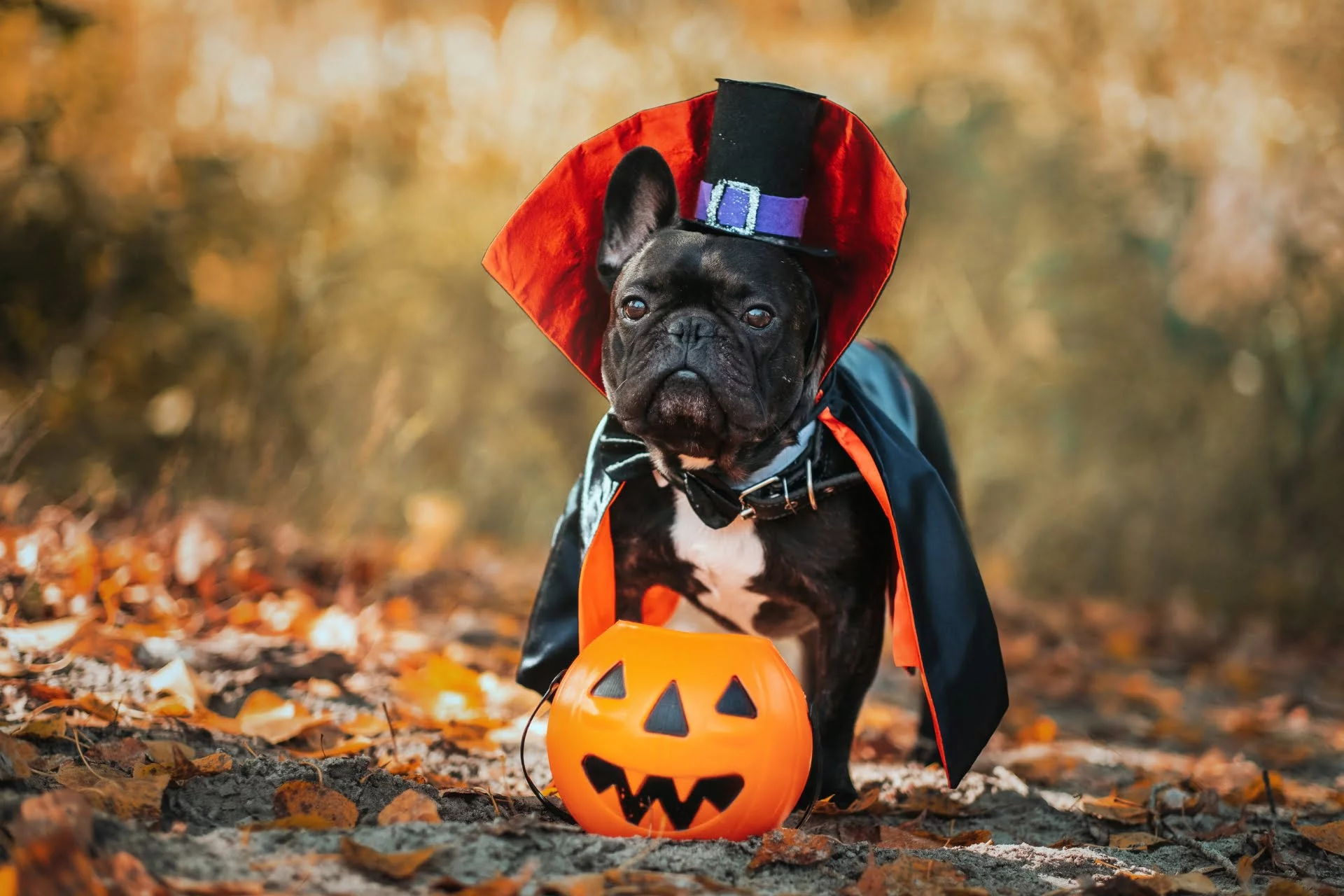
From the perspective of a pet, Halloween night involves strangers in unfamiliar outfits, repeated doorbell sounds, doors opening constantly, and food left in accessible places. Dogs and cats in particular can find this combination genuinely stressful, and the hazards are not only about stress. Several common Halloween items are toxic or physically dangerous to animals. Knowing what to watch for and how to prepare your home makes a significant difference.
Why Halloween is risky for pets
The three main categories of risk are:- Escape risk: doors opening repeatedly for trick-or-treaters give anxious pets repeated opportunities to bolt. Even a pet that is normally calm at the door can act unpredictably in a high-stimulation environment
- Toxic substances: chocolate, xylitol-containing candies, raisins, and grapes are all common Halloween items that are toxic to dogs and cats. Glow sticks, if chewed, release a liquid that causes pain and excessive drooling
- Stress: costumes, masks, unfamiliar visitors, and elevated noise levels can push even relatively calm pets into anxious or reactive states
Keeping pets indoors and calm
The simplest protective measure is putting your pet in a quiet room before the evening begins and keeping them there throughout trick-or-treating hours. Set up the room with their bed, familiar toys, water, and food. White noise or calm background music can reduce the impact of outside noise. If your pet is prone to anxiety during stimulating events, ask your vet about appropriate calming options ahead of time. Pheromone diffusers (such as Feliway for cats or Adaptil for dogs) can be set up in the room beforehand. For pets with severe anxiety, your vet may recommend a short-term anti-anxiety medication for the evening. Make sure your pet is wearing a collar with identification tags, and that any microchip registration is current, before Halloween night. If a pet does escape in a panic, this significantly increases the chance of a safe return.Toxic treats and dangerous decorations
Store all Halloween candy in a location your pet cannot access. Even items that are not toxic in large amounts can cause digestive problems in small quantities, and some are genuinely dangerous in any amount. Substances toxic to dogs and cats include:- Chocolate: contains theobromine, which is toxic to dogs and cats. Dark chocolate and baking chocolate are more dangerous than milk chocolate, but no variety is safe
- Xylitol: an artificial sweetener found in sugar-free candy, gum, and some baked goods. Causes rapid drops in blood sugar and can lead to liver failure in dogs
- Raisins and grapes: can cause acute kidney failure in dogs, sometimes in very small amounts
- Macadamia nuts: toxic to dogs, causing weakness, vomiting, and elevated body temperature
- Glow sticks and glow jewelry: the fluid inside is not acutely toxic, but causes immediate discomfort including excessive drooling and erratic behavior if a pet bites into one. Wash the mouth thoroughly with water if this happens
- Jack-o-lanterns and candles: open flames are a burn risk, and moldy pumpkins can cause gastrointestinal upset if eaten
- Corn kernels and small decorative gourds: choking or intestinal obstruction risk for dogs that tend to ingest objects
- Fake spider webs: can catch around paws or be ingested, particularly by cats
Managing stress and anxiety in pets
Some pets handle Halloween noise and activity with little difficulty. Others become genuinely distressed. Signs of stress in dogs include panting, pacing, yawning excessively, hiding, or refusing food. Cats under stress may hide, stop grooming, or become more vocal than usual. Preparation helps. Walking your dog earlier in the day gives them a chance to release energy before the evening's commotion begins. Feeding your pet before the busiest part of the evening means they are less likely to investigate dropped food or candy wrappers. If your pet is reactive to visitors or costumes, introducing them to unfamiliar hats or masks over the preceding days can reduce the novelty effect on the night itself.Keeping dogs safe on Halloween
Dogs are generally more reactive to the specific stimulations of Halloween than cats, due to their social orientation and sensitivity to visitors at the door. Key precautions for dogs:- Walk them earlier in the afternoon, before trick-or-treaters are out
- Keep them in a separate room during trick-or-treating hours, rather than at the front door
- Ensure all candy and wrappers are out of reach, including the rubbish bin where wrappers may end up
- If you choose to dress your dog in a costume, make sure it fits properly, does not restrict movement or breathing, and has no small parts they could chew off and swallow. If the dog shows discomfort, remove it
Keeping cats safe on Halloween
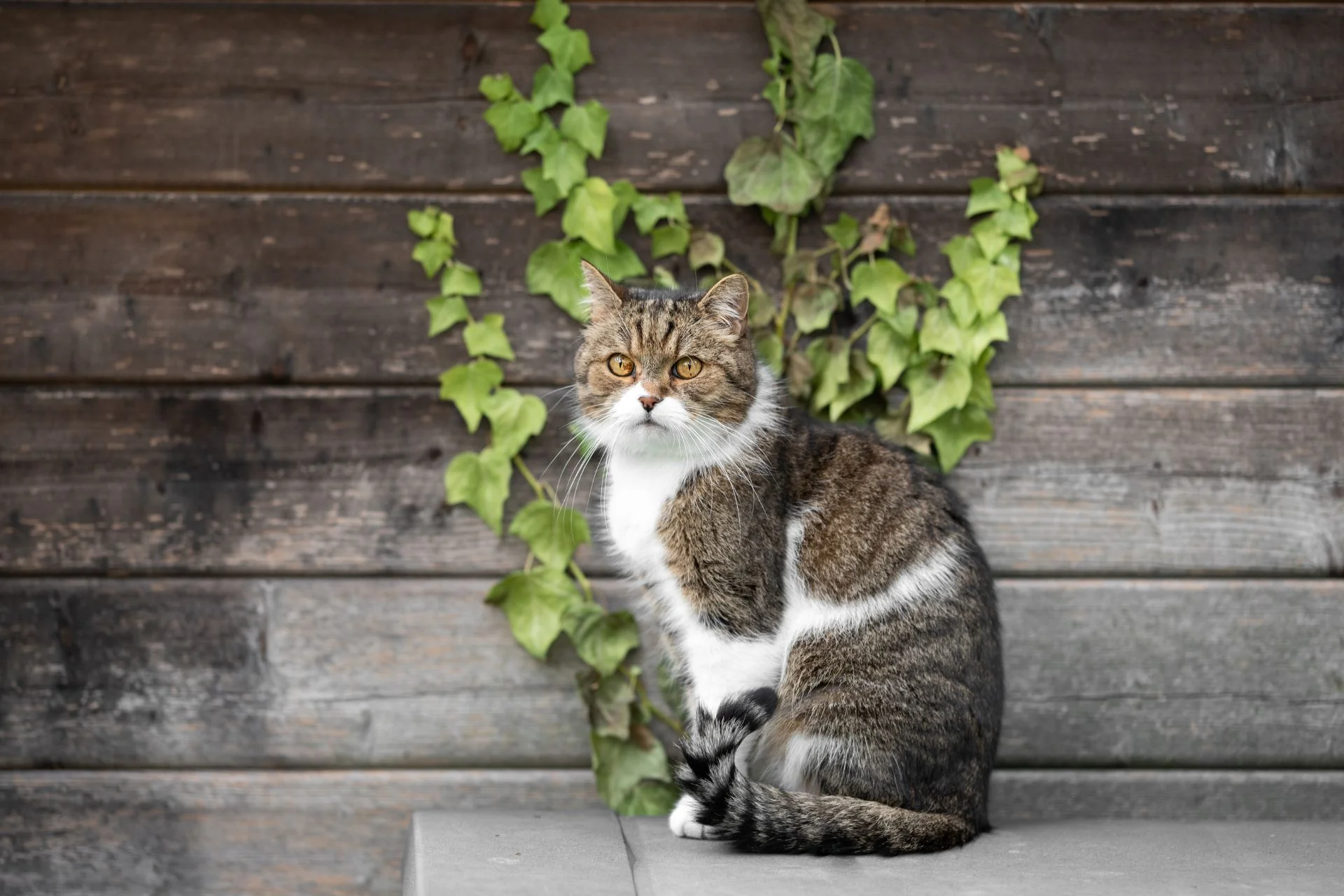
Cats can be vulnerable on Halloween for reasons beyond stress. Black cats in particular have historically been targeted in pranks around this time of year. Keeping all cats indoors on and around Halloween night is a straightforward precaution. Cats may hide during the evening as a stress response, which is fine as long as they have access to food, water, and a litter box in their space. Check on them periodically without forcing interaction. Ensure all small decorations, fake plants, and string lights are out of their reach.What to do if your pet ingests something toxic
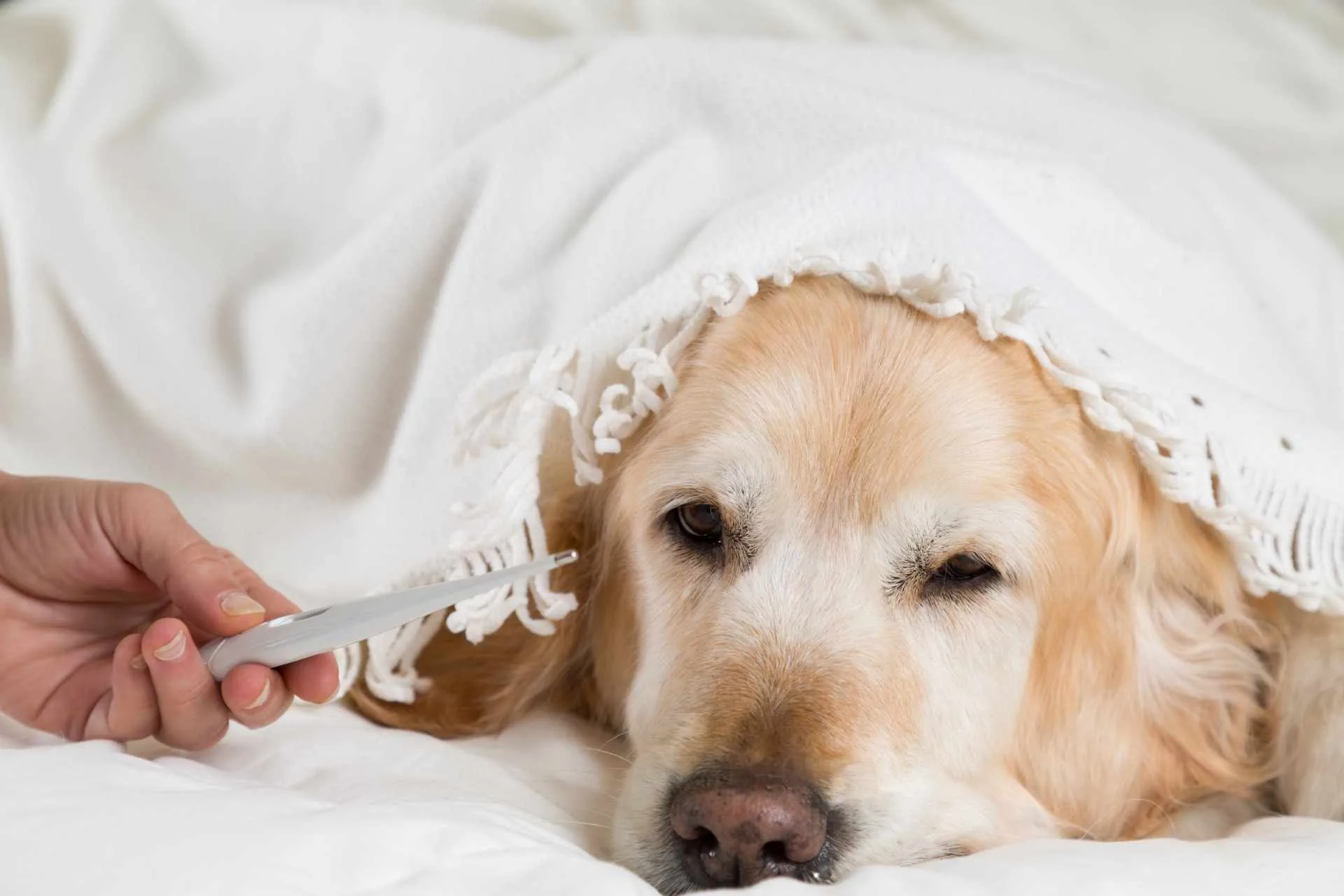
If you suspect your pet has eaten something dangerous, contact your vet or a pet poison control line immediately. Do not wait for symptoms to appear, and do not attempt home remedies without professional advice. Symptoms of poisoning to watch for include:- Vomiting or diarrhea, particularly if repeated or severe
- Excessive drooling or pawing at the mouth
- Lethargy or sudden weakness
- Tremors or seizures
- Collapse
Halloween and pet care during travel
If you are traveling around Halloween and leaving your pet with a sitter, the preparation involved is the same as for a typical sit, with one addition: make sure the sitter understands the specific hazards of the holiday. A sitter who does not know that chocolate is toxic to dogs, or does not realize that repeated doorbell sounds may stress your pet, may inadvertently create a problem. Before leaving your pet with a sitter over Halloween, cover:- Where all candy and food will be stored so the sitter knows to keep it secured
- Whether your pet is likely to be stressed by doorbell sounds or visitors in costumes
- The recommended approach for managing your pet on Halloween evening specifically, including the quiet room setup
- Signs of distress or toxin ingestion and what to do if they appear
- Emergency vet contact details
Frequently asked questions
1. Is it safe to put my dog in a Halloween costume?
It can be, provided the costume fits properly and your dog is comfortable wearing it. Make sure it does not restrict movement, breathing, or the ability to see clearly. Check for small attachments that could be chewed off and swallowed. Introduce the costume before Halloween so your dog has time to adjust to wearing it. If your dog shows visible discomfort, remove the costume. Their wellbeing takes precedence over the outfit.
2. What should I do if my pet eats chocolate on Halloween?
Contact your vet immediately, even if your pet seems fine. Chocolate toxicity in dogs causes vomiting, diarrhea, increased heart rate, and seizures in severe cases. Symptoms may not appear right away. The vet may ask for the type of chocolate and approximate amount consumed to assess risk level. Do not wait to see whether symptoms develop before calling.
3. How can I reduce my pet's stress on Halloween night?
Set up a quiet room before trick-or-treating begins, furnished with their bed, water, and familiar toys. Use white noise or background music to dampen outside sounds. Consider a pheromone diffuser set up in advance. Walk dogs earlier in the day to tire them out before the evening. For pets with significant anxiety, speak with your vet ahead of time about appropriate calming options.
4. Can I take my dog trick-or-treating?
Some dogs handle it well; many do not. If your dog is well-socialized, comfortable around strangers and children, and not reactive to unusual outfits or noise, they may manage the experience without significant stress. Use a secure collar and lead, keep the outing brief, and bring water. Avoid high-traffic streets where crowds and noise may be overwhelming. Know your dog's limits and be willing to head home early if needed.
5. Are black cats at particular risk on Halloween?
The risk is real enough that keeping black cats strictly indoors around Halloween is a widely recommended precaution. Incidents involving black cats have been documented in connection with Halloween-related activity in several countries. Regardless of whether the risk has been overstated in popular culture, keeping cats indoors on and around Halloween night is a straightforward step with no downside.
6. What should a pet sitter know about Halloween pet safety? 🐾
Make sure the sitter knows which foods are toxic and where you have stored all candy. Explain your pet's typical response to doorbell sounds and unfamiliar visitors, and walk them through the quiet room setup. If your pet takes any calming supplements or medications on stressful nights, leave clear instructions. Provide your vet's number and the nearest emergency clinic's contact. A sitter managing your pet on Halloween night for the first time will handle the evening better with specific preparation than with general reassurance.