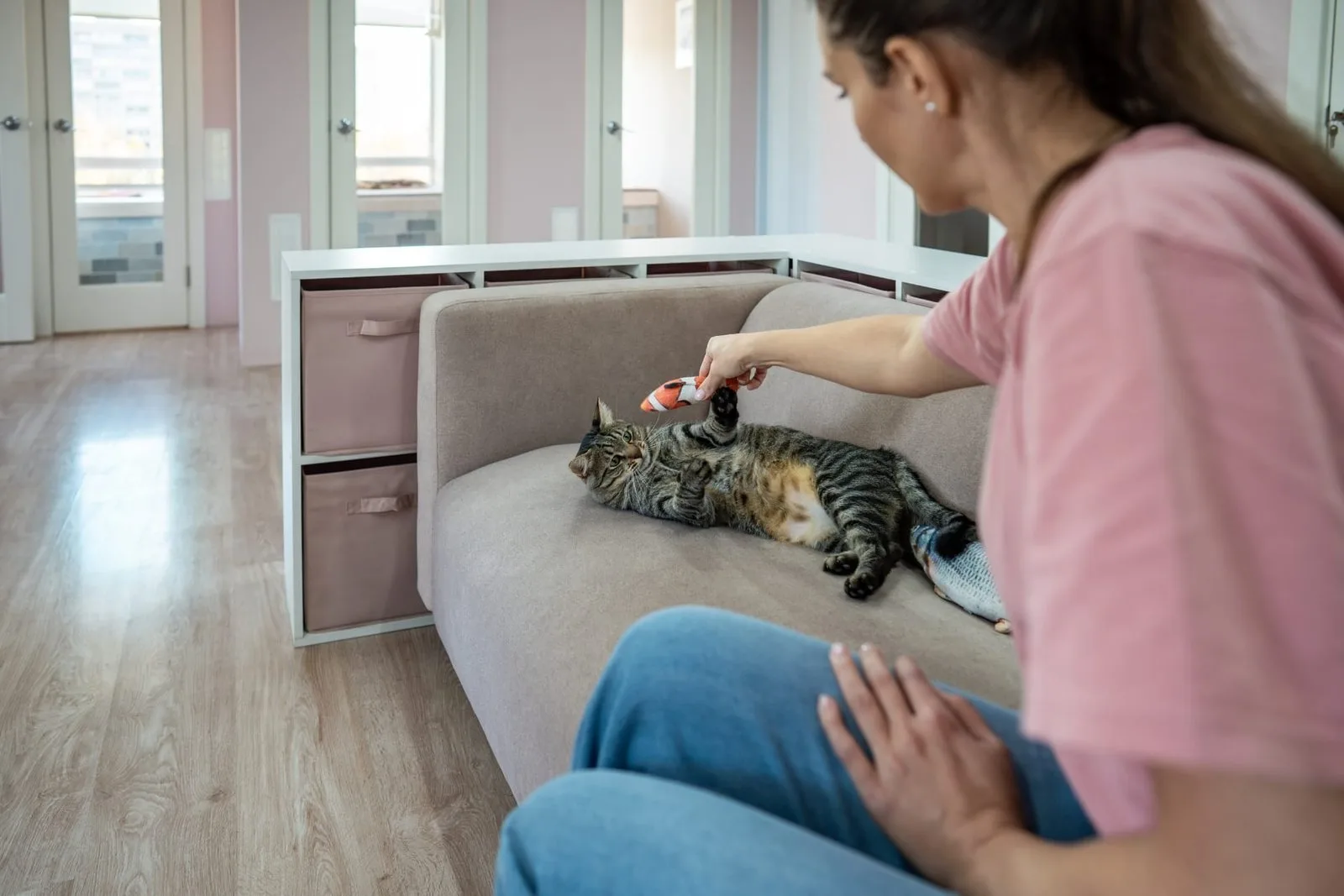
In short: Booking a pet sitter for the first time comes down to five steps: deciding what type of care suits your pet, choosing a platform to search on, shortlisting sitters based on verification and profile content, arranging a meet and greet before you commit, and confirming with clear written instructions. Plan for at least one to two weeks if you're starting from scratch. That gives you time to find the right person rather than whoever happens to be available.
The first time you book a pet sitter, you realise quickly that this isn't like most other things you book online. You're not comparing delivery windows or return policies. You're deciding whether to trust a person with an animal you love, while you're somewhere you can't easily leave. Most first-timers find the process far more manageable than they expected, once they understand what order to do things in.
Step 1: Decide what kind of care your pet actually needs
The first decision isn't which platform to use or which sitter looks best. It's what type of care makes sense for your specific pet and your situation. Getting this wrong early wastes time and can mean finding a well-reviewed sitter who simply isn't right for what you need.
The main care types are drop-in visits, boarding, house sitting, and doggy daycare. Drop-in visits mean a sitter comes to your home once or twice a day to feed, walk, and spend time with your pet, which is good for cats, independent dogs, or shorter absences where routine matters more than constant company. Boarding means your pet stays overnight at the sitter's home, which works well for social dogs who settle easily in new places. House sitting means the sitter stays in your home while you're away, which suits anxious animals, multi-pet households, or any pet who doesn't adjust well to unfamiliar environments. Doggy daycare is a sitter's-home arrangement for the day, suited to high-energy dogs who need activity and company during long working hours.
Your pet's temperament matters as much as your schedule when choosing. A dog who struggles with change doesn't automatically do better in boarding just because someone is there overnight. If you're unsure what to book, our guide to
what a dog sitter actually does covers what each type of service looks like day-to-day.
Step 2: Choose where to book a pet sitter online
With a care type in mind, pick a platform that lets you find verified sitters in your area and gives you enough real information about each one to make a genuine call, not just a name and a star rating.
Three things separate good platforms from adequate ones. First, whether sitters are both background checked and identity verified, not just one or the other. Second, whether sitter profiles give you actual visibility into who the person is, including their home, their daily life with animals, and how they've handled previous bookings, rather than a static paragraph they wrote once at sign-up. Third, whether the price shown is the price you pay, or whether service fees are added at checkout on top of the sitter's advertised rate.
Petme requires identity verification and a background check from every sitter before their profile goes live. Each sitter maintains an active social feed with posts about their daily routine with animals, their home environment, and their own pets, so you can follow a sitter for a week or two and build a real sense of who they are before you ever send a message. There are no service fees added for pet owners, and every completed booking earns cashback. It's available across the US and internationally.
For a full breakdown of the main platforms, fee structures, and how they handle sitter verification, see our
pet sitting apps comparison for owners.
Step 3: Search, filter, and shortlist sitters
With a platform chosen, search for sitters in your area for your required dates and service type. Most platforms let you filter by care type, location, and availability. Start broadly and narrow from there.
When shortlisting, focus on reviews that describe the stay in specific detail. A review that names the pet, mentions something particular about how the dog behaved, or notes how the sitter handled an unexpected situation tells you something real. A string of five-star reviews that say "great sitter, would recommend" tells you almost nothing. A handful of detailed reviews is more useful than fifty generic ones.
Look for evidence that the sitter has genuine experience with your specific situation: your pet's breed, energy level, age, and any medication or behavioural needs. A sitter who is excellent with calm adult dogs may not be the right fit for a reactive rescue or an eight-week-old puppy. The profile should give you enough to assess this without having to ask. If you're left guessing about the basics, that's information too.
Shortlist two or three sitters rather than messaging everyone at once. It keeps the process manageable and gives you a real comparison to work from.
Step 4: Arrange a meet and greet before you commit
A meet and greet is a short introduction between you, the sitter, and your pet before any dates are confirmed or payment is made. It's the most useful step in the whole process and the one most first-timers skip, usually because it feels like extra effort, occasionally because the sitter doesn't suggest it.
Thirty minutes is enough. In your home for drop-in or house sitting arrangements; at the sitter's home for boarding. Enough time to watch how the sitter interacts with your pet, ask the practical questions, and form a genuine impression of whether this is someone you're comfortable handing your animal to. A sitter who is reluctant to meet before a booking is a meaningful signal.
Go prepared with a list of
questions to ask a pet sitter, covering routine, emergency handling, communication style, and experience with your pet's specific needs. Pay attention to the questions the sitter asks back. A sitter who wants to know your dog's schedule, any health issues, and your vet's number before accepting the booking is doing the job properly.
For a first booking, consider arranging a short
trial run, two or three hours while you're nearby, before a longer stay. It gives your pet a chance to meet the sitter without you being hundreds of miles away when they do. It also gives you real information rather than assumptions about how your pet will respond.
Step 5: Confirm the booking and prepare clear instructions
Once you've chosen a sitter, confirm through the platform rather than by cash or direct transfer. Booking through the platform keeps you covered by whatever protection the service provides and creates a record of what was agreed.
Before you hand over a key, prepare written instructions. These should cover: feeding schedule and exact amounts, any medications with precise dosages and timing, your vet's name and number, your own contact details and a secondary emergency contact, your pet's daily routine, anything the sitter needs to know about your home, and any behavioural quirks that could catch someone off-guard. A dog who lunges at cyclists on the left side of the path. A cat who hides for three days when stressed and should be left alone rather than pursued. Write it down rather than relying on memory during a rushed handover.
Our
pet sitter instructions guide has a full template that covers everything worth including.
What to do after your first booking
Most guides stop at the booking. This part matters as much.
Leave a review while the experience is still fresh. Be specific about what your pet was like when you returned, whether communication was consistent, and anything that went above and beyond or fell short. Specific reviews help future owners make better decisions. They also give good sitters the visibility they've earned.
If the booking went well, rebook before life gets busy. The hardest part of pet care isn't the first booking. It's remembering to lock in the same sitter before they fill up for the next bank holiday or half-term. Regular pet care with someone you already trust removes the anxiety of starting from scratch every time you need to travel. Your second booking takes fifteen minutes. Your first takes two weeks. That's a ratio worth protecting.
Frequently asked questions about booking a pet sitter
How far in advance should I book a pet sitter?
For routine care like weekly walks or regular daycare, two to four weeks gives you enough time to shortlist, meet, and arrange a trial run if needed. For holiday periods such as summer school holidays, Christmas, and bank holidays, book significantly earlier. Reliable sitters in popular areas fill up weeks in advance during peak periods, and last-minute availability usually means less choice over who you're booking.
What should I tell a pet sitter before I leave?
At minimum: feeding schedule and exact amounts, any medications with precise instructions, your vet's contact details, your own emergency number, and anything specific to your pet's behaviour or routine that a stranger wouldn't know. Written instructions are more reliable than verbal ones. If your platform has a pet profile or instructions section, use it. The sitter will have access to it throughout the booking rather than having to remember what you said at the door.
Should I do a trial run before the first real booking?
Yes, for any stay longer than a day. A two or three hour trial lets your pet meet the sitter in a low-stakes setting and gives you real information about how they interact before you're actually away. It also shows you how your pet behaves once you leave, which a meet and greet can't tell you. Most sitters are happy to arrange one. If a sitter pushes back on the idea, that's worth noting.
What makes a pet sitter profile trustworthy?
Multiple reviews that describe specific stays in real detail, not just star ratings. Evidence of both background check and identity verification, not just one. Photos of the sitter's home and their own animals where relevant. A profile that answers the practical questions, such as experience with your pet type, approach to emergencies, and communication style, without you needing to ask separately. Profiles that could apply to any sitter for any pet are a signal to keep looking.
Is it safe to book a pet sitter online?
Yes, if you use a platform that verifies sitter identity and runs background checks before listing them, and if you book through the platform rather than arranging payment directly. Keeping the booking on-platform means you have a record of what was agreed and access to whatever protection or support the service provides. Arrangements that move off-platform to cash or direct bank transfer remove both the record and the recourse.
What do I do if something goes wrong during a booking?
Contact the sitter directly and establish what happened. If there's a health concern, your vet is the first call. Report the incident to the platform and follow their process for claims or support. Keep a record of what was communicated and when. Before you book, check whether your platform includes any financial support toward vet costs for serious injuries during a sitting. Some do, under specific conditions, and knowing what exists before you need it is better than finding out after.
The first booking is the hardest because you're building everything from scratch with someone you don't yet know. By the second or third booking with the same sitter, the process is already done. Your pet knows them, you know they can be trusted, and the whole thing requires a message and a calendar invite. The goal the first time is to do it right. For more on what to look for when evaluating a specific sitter, see our guide to
how to choose the right pet sitter.