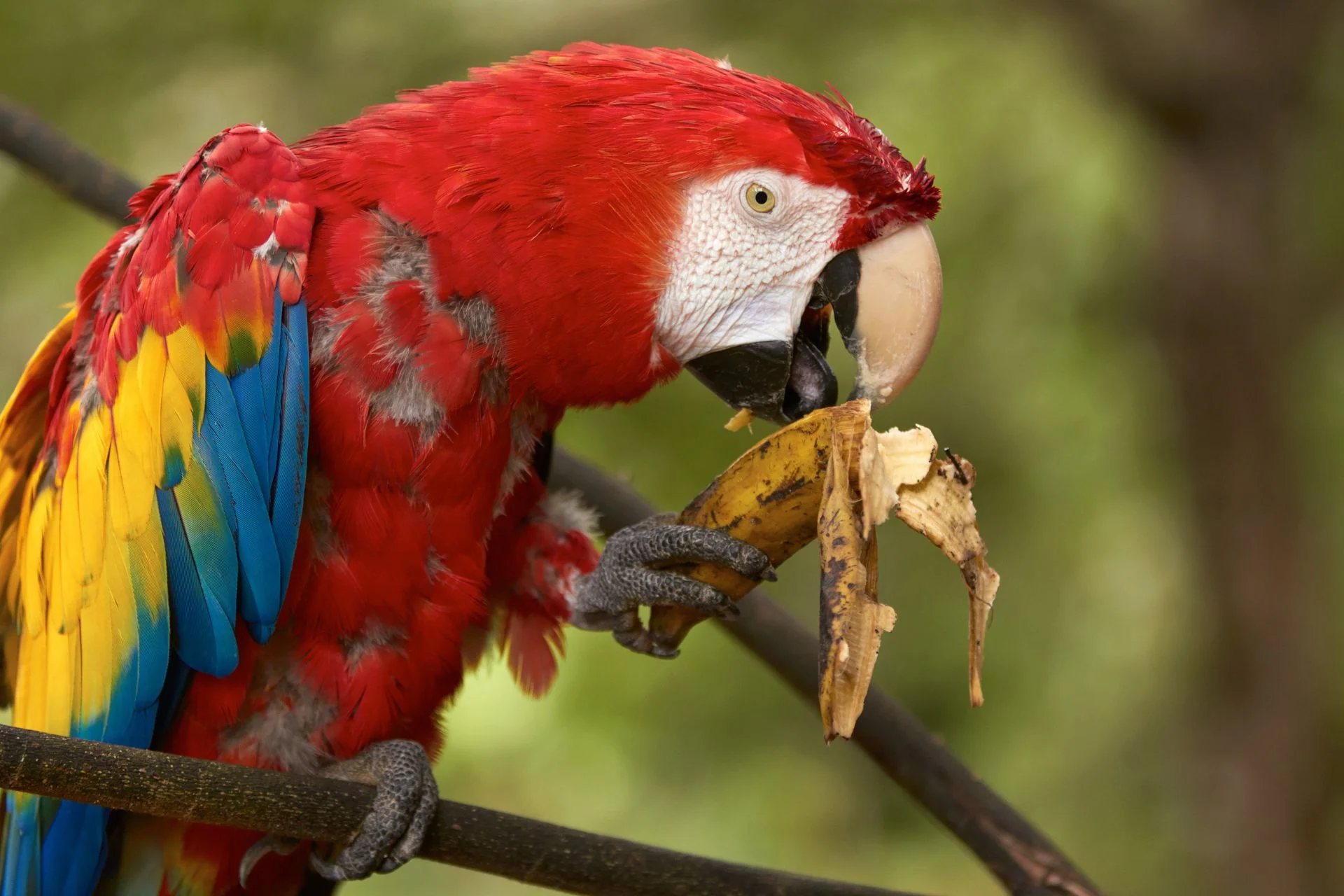
Parrots are long-lived birds with nutritional needs that change across their lifespan and vary meaningfully by species. Getting diet right is one of the most impactful things an owner can do for their bird's health, behavior, and longevity. A parrot on a well-designed diet looks different, behaves differently, and lives longer than one maintained on a seed-heavy or nutritionally incomplete routine.
Essential nutrients for parrots
Parrots require six categories of essential nutrients to maintain health:- Protein: supports tissue repair, feather production, and immune function. High-quality protein sources include lean cooked meats, eggs, and legumes
- Carbohydrates: provide energy. Complex carbohydrates from whole grains, fruits, and vegetables are preferable to simple sugars
- Fats: support absorption of fat-soluble vitamins and provide energy. Unsaturated fats from nuts and seeds in moderation are appropriate; high-fat diets contribute to obesity and liver disease
- Vitamins: vitamins A, D, E, K, and the B complex each support specific bodily functions. A varied diet of fresh produce and quality pellets covers most requirements
- Minerals: calcium, phosphorus, and trace minerals support bone, beak, and organ health. Dark leafy greens and cuttlebone provide calcium; a varied diet covers most mineral needs
- Water: essential for digestion, temperature regulation, and all metabolic processes. Fresh water must be available at all times
Dietary sources of essential nutrients
Good food sources for parrots include:- High-quality pellets: a complete commercial pellet diet formulated for parrots provides a consistent nutritional base. Look for a pellet that lists whole food ingredients without excessive artificial additives
- Fresh vegetables: dark leafy greens (kale, Swiss chard, collard greens), orange and red vegetables (sweet potato, bell pepper, carrot), and cruciferous vegetables (broccoli, cauliflower) are all good choices
- Fresh fruits: apple, papaya, mango, berries, and melon provide vitamins and hydration. Limit high-sugar fruits to moderate amounts
- Seeds and nuts: a natural part of the parrot diet in the wild, but calorie-dense and high in fat. Offer as a small supplement or training reward rather than a dietary staple
- Protein sources: cooked chicken or turkey, hard-boiled egg, and cooked legumes such as lentils and chickpeas can be offered in small amounts
Balancing the parrot's diet
Variety is the most important principle in parrot nutrition. A parrot eating only one or two foods is almost certainly developing nutritional gaps, regardless of how good those individual foods are. Rotating different vegetables, fruits, and protein sources across the week provides the broadest spectrum of nutrients and prevents the neophobia that develops in parrots kept on monotonous diets. Excessive fatty foods are a specific risk. Seeds and nuts are high in fat and should be limited to a small fraction of the diet. An overabundance of seeds is the most common dietary problem seen in pet parrots and contributes directly to obesity, liver disease, and vitamin deficiency. Treats are acceptable but must be monitored. They should constitute a small percentage of daily food intake. Choose treats made from bird-safe ingredients without excess salt, sugar, or preservatives. Some parrots benefit from dietary supplementation with vitamins or minerals, particularly birds recovering from illness or those with confirmed deficiencies. Supplements should only be introduced on veterinary advice, as fat-soluble vitamins in excess cause toxicity.Feeding schedule and portion control
Establish a consistent daily feeding time. Fresh food should be offered in the morning and any uneaten portions removed after a few hours to prevent spoilage. Pellets can be available throughout the day. Portion sizes depend on the species, size, and activity level of your parrot. Monitor body condition and weight regularly. An overweight parrot should have seed and nut intake reduced and fresh vegetable proportion increased. A parrot losing weight or eating less than usual warrants a veterinary check. Avoid leaving seed mixes permanently available. When seeds are always present, many parrots eat them preferentially and ignore pellets and fresh food. Offering fresh food first when the parrot is hungriest in the morning improves uptake of more nutritious options.Hydration
Fresh water must always be available. Change it at least once daily, more frequently if the parrot soils it with food. Use a heavy dish that is difficult to tip, or a hanging water bottle with a clean tip. Avoid chlorinated tap water if your local supply has a strong chlorine taste or smell. Filtered or bottled water is preferable for birds, which are sensitive to chemical additives. Some parrots are reluctant to drink from a bowl. Encouraging water consumption can involve offering water-rich fruits and vegetables, misting the bird lightly during warm weather, or presenting water in different containers to find which format your bird prefers.Foods that must be avoided
Some foods are toxic to parrots and must never be offered under any circumstances:- Avocado: contains persin, which causes respiratory failure and cardiac damage in birds
- Chocolate: contains theobromine, which is toxic to parrots and can cause vomiting, seizures, and death
- Caffeine: found in coffee, tea, energy drinks, and some sodas. Toxic to birds in any amount
- Alcohol: toxic to parrots. Never leave alcoholic drinks accessible
- Onions and garlic: cause digestive damage and, in larger amounts, blood cell destruction
Signs of nutritional imbalance
A parrot with a nutritional imbalance may show feather problems including excessive stress marks, dull color, or brittle shafts. Weight changes, either unexplained loss or gain, indicate a dietary issue. Behavioral changes such as lethargy, reduced vocalization, or changes in appetite also suggest something is wrong. These signs are non-specific and may have other causes, so a vet assessment is needed for accurate diagnosis.Feeding your parrot when you travel
A parrot's diet should remain consistent during your absence. Disruptions to food routine can cause digestive upset and stress. Before leaving your parrot with a sitter, prepare:- Written feeding instructions with exact food types, amounts, and timing
- A rotation list of approved fresh vegetables and fruits so the sitter does not have to guess
- The pellet brand used and daily quantity, with supplies pre-measured or clearly labeled
- Clear written instructions on which foods must never be given, with the most dangerous ones explained
- Water change instructions, including how often and how to clean the bowl or bottle
- What changes in eating behavior or droppings should prompt a vet call
Frequently asked questions
1. Can I feed my parrot only seeds?
No. Seed-only diets are nutritionally deficient and associated with shorter lifespans in parrots. Seeds are high in fat and low in vitamins A, D, and several B vitamins. A seed mix should be a small supplement to a diet based on quality pellets and fresh produce, not the main component. Transitioning a seed-addicted parrot to a better diet takes patience but is worth the effort.
2. How can I get my parrot to eat fresh fruits and vegetables?
Introduce new foods gradually alongside familiar ones. Offer fresh food when the parrot is hungriest, typically in the morning. Try presenting food in different forms, skewered on a foraging toy, mixed into soft food, or held in your hand during interaction. Parrots often learn food preferences by observing their owners, so eating the same food in front of your parrot can help. Accept that it may take weeks or months for a food-conservative parrot to accept new items.
3. Can I give my parrot human food as a treat?
Some human food is safe in small amounts: plain cooked grains, unsalted nuts, plain cooked egg, and small pieces of fresh fruit or vegetable. Human food that is salty, sugary, fatty, or contains any toxic ingredients must be kept away from parrots. Never offer food directly from your mouth, as human saliva contains bacteria that are harmful to birds.
4. How often should I change my parrot's water?
At least once daily, more often if the parrot drops food into the bowl. Standing water in a bird's dish develops bacterial contamination quickly, particularly in warm weather. Clean the dish with a mild soap and rinse thoroughly each time you change the water. A dirty water bowl can cause digestive infections that develop faster in birds than in larger animals.
5. How do I know if my parrot is over- or underweight?
Weigh your parrot regularly using a kitchen scale and keep a record. An avian vet can tell you the healthy weight range for your species and size. Physical signs of underweight include a prominent keel bone visible through the feathers. Signs of overweight include excessive fat deposits visible at the sides of the keel and reduced activity. Weight changes of more than 10% from baseline over a short period warrant a vet consultation.
6. How do I leave feeding instructions for a parrot sitter? 🐾
Write out the full routine in specific terms: which pellet brand, how much per day, what fresh foods are offered on which days, and at what times. Include a list of forbidden foods with a brief explanation of why each is dangerous, not just a list to follow blindly. Prepare food in advance where possible, pre-measuring pellet portions or pre-washing and cutting approved vegetables so the sitter has minimal room for error. Leave a contact number the sitter can call if they have a question mid-sit rather than guessing.