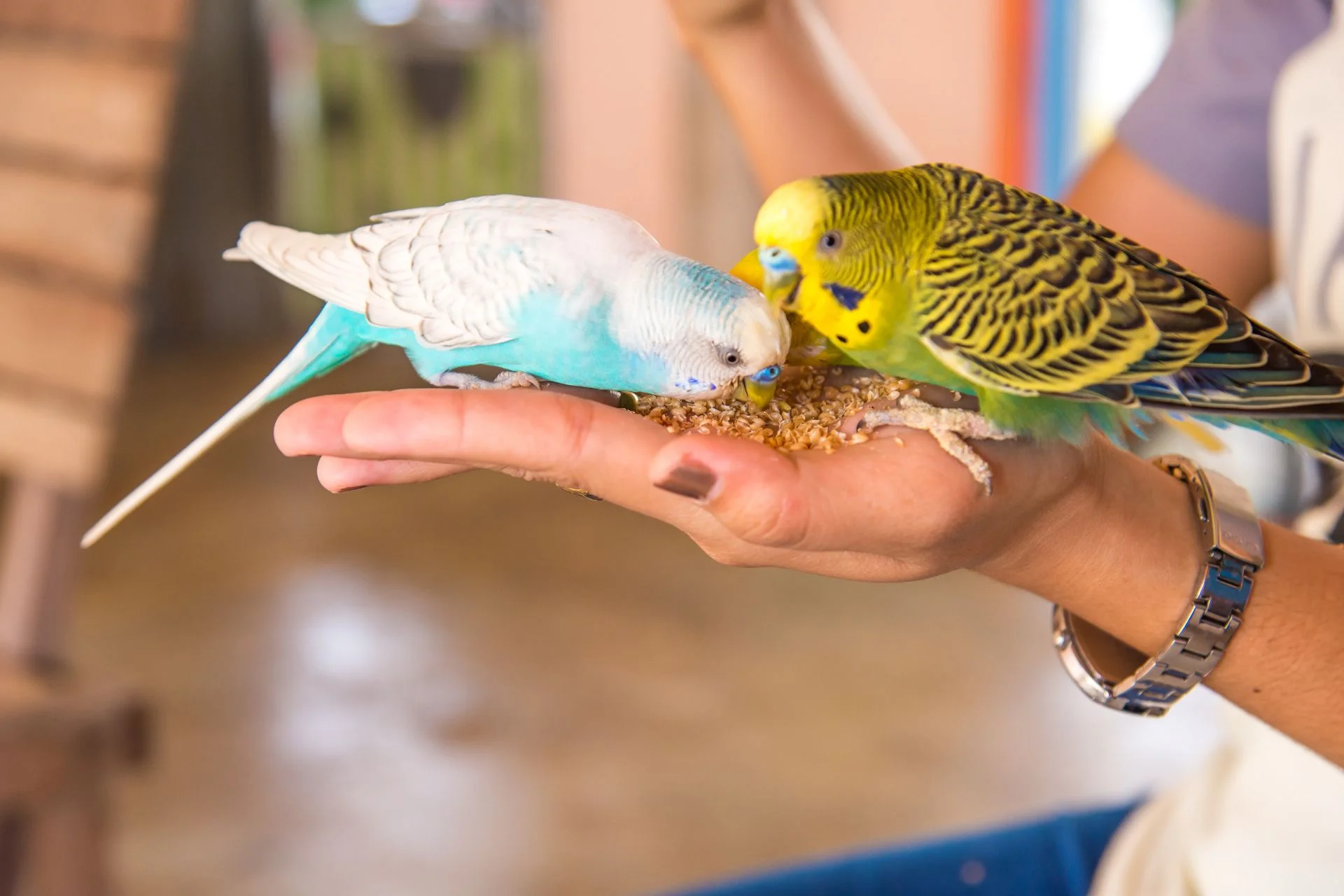
Parrots spend their lives in your home, not just in their cage. Creating an environment that works for them requires thinking beyond the cage itself and considering the full space they have access to during out-of-cage time, the air quality throughout the home, and the background noise and social activity they experience daily. Each of these factors affects health and behavior in ways that are easy to overlook before problems develop.
Providing a spacious cage
The cage is your parrot's primary living space. It should be large enough for the parrot to fully extend both wings without touching the sides, move comfortably between multiple perches, and engage with toys without being cramped. For most medium to large species, this means a considerably larger cage than most pet shops typically display. When in doubt, go larger. The cage should be made from non-toxic, bird-safe materials. Powder-coated steel is durable and safe; avoid galvanized metal with zinc coating, which can cause zinc toxicity if chewed. Place the cage in a location that gives the parrot a view of household activity without being at the center of traffic or noise. A corner position with wall backing on two sides helps a parrot feel secure. Avoid direct sunlight for long periods, which can cause overheating, and keep the cage away from kitchen fumes, drafts from windows and doors, and air conditioning vents. Include multiple perches of varying diameter, texture, and material. Natural wood branches, rope perches, and platform perches each support foot health differently. Rotate and replace perches when they show wear.Proper nutrition
A parrot-friendly home provides the right diet consistently. Consult with an avian veterinarian to understand your parrot's specific dietary needs for their species and age. The foundation should be a high-quality pellet diet, supplemented daily with fresh fruits and vegetables. Toxic foods must be kept completely inaccessible. Avocado, chocolate, caffeine, alcohol, onions, and garlic are among the most dangerous and can cause serious harm even in small amounts. This extends to anything in the kitchen or dining area: a parrot with free flight time in a kitchen can access surfaces, bowls, and food items that its owner does not expect. Change water daily and clean water dishes regularly. Parrots drop food into their water, which accelerates bacterial growth.Creating a safe environment
Hazard removal is an ongoing responsibility. Common household risks for parrots include:- Non-stick cookware (PTFE/Teflon): when overheated, releases fumes that are rapidly fatal to birds. Use stainless steel, cast iron, or ceramic cookware instead
- Aerosols, air fresheners, scented candles, and cleaning sprays: parrots have sensitive respiratory systems and react poorly to airborne chemicals. Use fragrance-free products and ensure ventilation when cleaning
- Ceiling fans: a parrot in flight can be seriously injured by a running ceiling fan. Turn fans off when the parrot is out of the cage
- Open windows and doors: parrots can fly out surprisingly fast. Establish a household rule about keeping windows and exterior doors closed when the parrot is free
- Other household pets: dogs and cats can injure parrots through play or predatory instinct, even unintentionally. Supervise all interactions or keep them separated
- Toxic plants: many common houseplants are toxic to birds, including philodendrons, pothos, and dieffenbachia. Check any plant in the home against a safe-plant list before the parrot has access
Temperature and humidity control
Most parrot species are native to tropical or subtropical environments. A comfortable temperature range for most pet parrots is between 18 and 29 degrees Celsius (65 to 85 degrees Fahrenheit), depending on species. Avoid placing the cage near heating vents, air conditioning outlets, or windows with direct sun exposure. If your home becomes dry in winter, consider a humidifier near the cage area to maintain humidity levels more appropriate for species that come from humid environments. Dry air contributes to respiratory irritation and dry skin around the feet and beak.Managing noise and providing calm spaces
Parrots are vocal by nature, but excessive environmental noise can cause stress. Avoid placing the cage in a room with constant television at high volume, loud music, or heavy traffic noise from nearby speakers. Sudden loud noises, such as a smoke alarm or construction outside, can cause significant distress. Create a quieter retreat option. Some owners cover part of the cage at night with a breathable cloth to reduce visual stimulation and signal that sleep time has arrived. A predictable day and night cycle with consistent sleep hours supports better behavior and health.Social interaction
Parrots are highly social animals that need regular interaction with their human family. Daily time outside the cage, including direct interaction through conversation, play, and supervised exploration, meets their social needs in ways that cage enrichment alone cannot. The specific amount of interaction needed varies by species. Social species like African Greys and macaws can become distressed with less than several hours of daily interaction, while more independent cockatiels may be more tolerant of quiet periods. Learn what your species requires rather than assuming a standard applies to all.Training and enrichment
Positive reinforcement training builds trust, teaches useful behaviors, and provides mental stimulation. Regular short training sessions, five to ten minutes each, are more effective than occasional longer ones. Basic commands like step up and step down make daily handling safer and more cooperative. Enrichment beyond training includes foraging toys that require the parrot to work for food, chew toys that satisfy the natural drive to use the beak, and novel objects introduced regularly to maintain curiosity. Rotate enrichment items so that familiar items do not become background.Regular veterinary care
Avian veterinary check-ups should happen at least once yearly for a healthy parrot. This gives a baseline for weight, feather condition, and organ function that makes illness easier to detect when it develops. Find an avian specialist in your area before you need one urgently.Preparing your home for a parrot sitter
A pet sitter unfamiliar with your specific home setup may inadvertently expose your parrot to hazards they do not know about. Before leaving your parrot with a sitter, walk them through:- Which rooms the parrot has access to during out-of-cage time and which are off-limits
- The non-stick cookware policy and how to prepare food safely near a bird
- Which windows and doors must remain closed when the parrot is free-flying
- The ceiling fan rule and where the controls are
- The daily cleaning tasks for the cage, water, and food dishes
- Temperature settings for the thermostat and any specific heating or cooling instructions
- Emergency vet contact details and what symptoms warrant an immediate call
Frequently asked questions
1. Can parrots be kept in small cages?
No. A cage that does not allow a parrot to fully extend its wings, move between perches freely, and engage with enrichment items is too small. Confined parrots develop physical problems including muscle atrophy and foot sores, and behavioral problems including feather plucking, screaming, and aggression. The cage size should be determined by the parrot's wingspan and activity level, not by what fits conveniently in your space.
2. Are all fruits and vegetables safe for parrots?
No. Most are safe, but several are toxic. Avocado is the most dangerous and must never be offered. Onions and garlic cause blood cell damage. Rhubarb is toxic. When introducing any new fruit or vegetable, verify it is safe before offering it. A comprehensive safe food list from an avian vet is a worthwhile reference to keep on hand.
3. Can parrots be trained to talk?
Many parrots can learn to mimic human speech, though the extent varies considerably by species and individual. African Grey parrots are known for their ability to learn large vocabularies and use words in context. Cockatiels and budgerigars can learn phrases and songs. Consistent repetition of words and phrases in a positive, interactive context is the most effective training approach.
4. Do parrots need companionship from other birds?
Not necessarily. Many parrots bond closely with their human family and meet their social needs through human interaction. Introducing a second bird can work well, but it also carries risks including conflict between birds and the possibility that the parrot bonds with the new bird rather than with you, making it less handleable. The decision should be based on your specific bird's temperament and social needs rather than a general assumption.
5. How often should I take my parrot to the vet?
Once a year for routine wellness checks, with additional visits when health concerns arise. Parrots hide signs of illness until they are significantly unwell, which is a prey animal instinct that can make problems harder to catch at home. Regular vet visits, including weight checks and physical examination, catch issues earlier and establish a baseline for comparison if the parrot becomes sick.
6. How do I prepare my home for a parrot sitter? 🐾
Walk the sitter through the full home before your trip, not just the cage area. Cover all hazard points: which cookware is off-limits, where the ceiling fan switches are, which windows and doors must stay closed, and which rooms are accessible. Leave a written document covering all of this so the sitter has a reference to return to during the sit. Include the daily routine, feeding instructions, and an emergency vet number. A sitter who has not cared for parrots before needs considerably more preparation than one with prior bird experience.