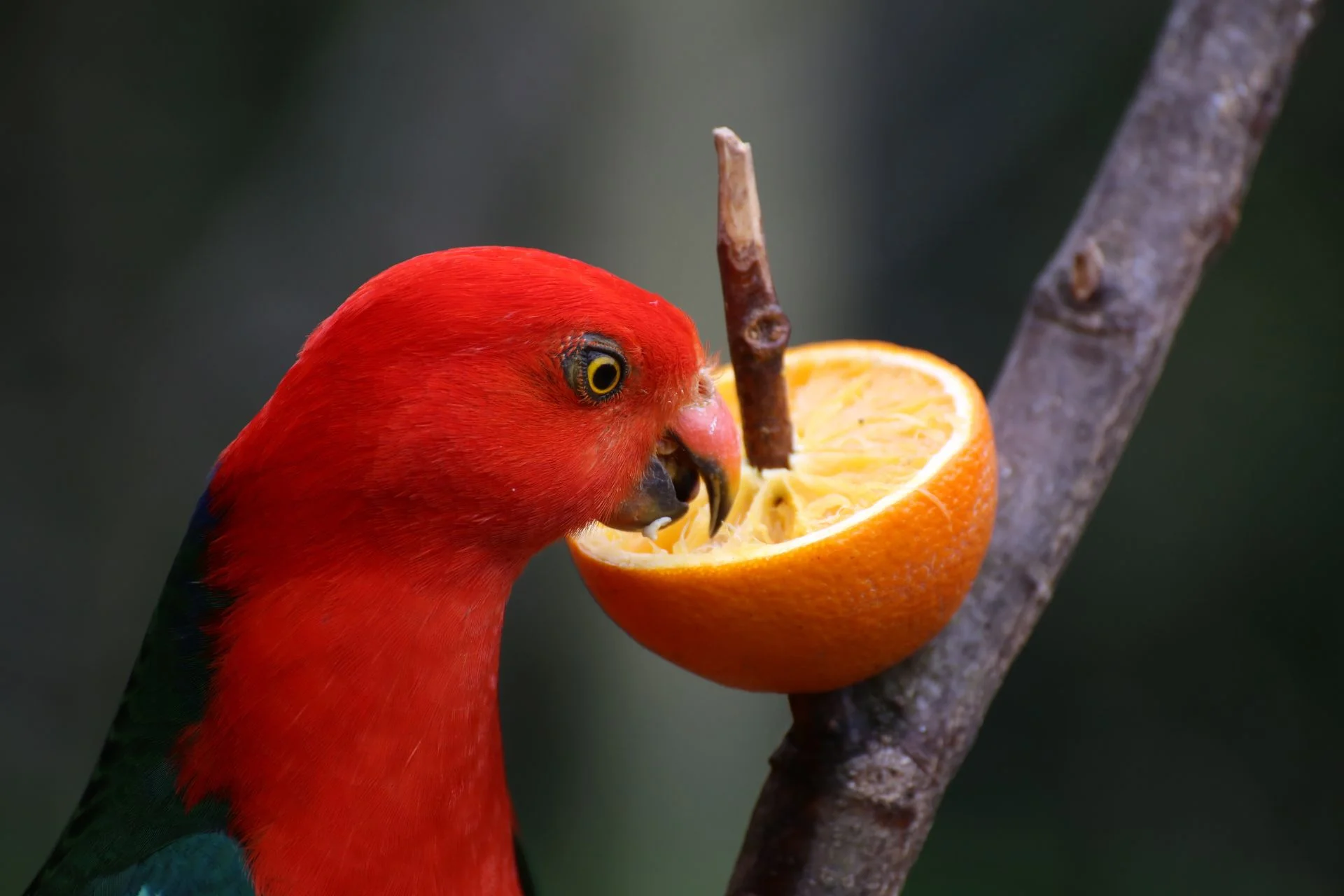
A parrot that looks healthy on the surface may still be receiving inadequate vitamin intake, particularly if its diet relies heavily on seeds. Seed mixes are energy-dense but nutritionally incomplete, lacking several vitamins that parrots need consistently throughout their lives. Understanding which vitamins matter and what they do gives owners a much clearer picture of why diet composition is worth getting right.
Understanding vitamins
Vitamins are organic compounds that the body requires in small amounts for a range of biological processes. They are not produced in sufficient quantities by the body and must come from food. For parrots, as for all animals, the distinction between water-soluble and fat-soluble vitamins affects how they are stored and how deficiencies develop. Water-soluble vitamins, including vitamin C and the B complex group, are not retained in the body for long periods and need to be replenished regularly through diet. Fat-soluble vitamins, including vitamins A, D, E, and K, are stored in fat tissue and the liver. This means fat-soluble deficiencies can take longer to appear but also that oversupplementation carries a risk of toxicity.Essential vitamins for parrots
Vitamin A
Vitamin A supports vision, immune function, and the maintenance of skin, feathers, and mucous membranes. Deficiency is one of the most common nutritional problems seen in parrots and causes respiratory infections, eye discharge, and poor feather quality over time. Good dietary sources include orange and yellow vegetables and fruits, such as carrots, sweet potato, and papaya.Vitamin B complex
The B vitamins (thiamine B1, riboflavin B2, niacin B3, pyridoxine B6, and cobalamin B12) support metabolism, energy production, and nervous system function. They are found in whole grains, legumes, leafy greens, and small amounts of cooked lean protein. Deficiencies tend to manifest as neurological symptoms, reduced activity, and poor feather condition.Vitamin C
Vitamin C functions as an antioxidant and supports collagen production, immune response, and wound healing. Most parrots can synthesize some vitamin C internally, but dietary sources such as berries, leafy greens, and bell peppers contribute meaningfully, particularly during periods of stress or illness.Vitamin D
Vitamin D is required for calcium absorption and bone development. Parrots exposed to natural sunlight or appropriate UVB lighting can synthesize vitamin D themselves. Indoor birds with limited sunlight exposure are at risk of deficiency, which can manifest as soft bones, poor beak quality, and reproductive problems. Fortified pellets and egg yolks also provide dietary vitamin D.Vitamin E
Vitamin E is an antioxidant that protects cells from oxidative damage and supports healthy skin, feathers, and reproductive function. Dietary sources include nuts, seeds in moderate amounts, and vegetable oils. Deficiency affects tissue integrity and can contribute to immune weakness.Vitamin K
Vitamin K supports blood clotting and bone health. Parrots obtain it primarily from leafy greens, broccoli, and peas. Deficiency is less common than vitamin A deficiency but can cause bleeding disorders if it occurs.Consequences of vitamin deficiencies
Vitamin deficiencies in parrots often develop gradually and become visible only once they have progressed. Common signs include feather abnormalities such as stress bars, stress marks, or poor feather texture, delayed healing of minor injuries, reduced activity and appetite, and increased frequency of infections. Reproductive failure in breeding birds can also indicate nutritional gaps. A seed-heavy diet is the most common underlying cause of vitamin deficiency in pet parrots. Seeds provide energy and fat but are low in vitamins A, D, and several B vitamins. A parrot eating seeds as the majority of its diet over months or years accumulates deficiencies that eventually become visible as health problems.Providing vitamins through diet
The best approach to vitamin provision is a varied diet that covers the spectrum of nutritional needs naturally. A balanced parrot diet typically consists of high-quality pellets as the foundation, supplemented with fresh fruits, vegetables, and leafy greens daily. This combination covers vitamin requirements without the risks that come with concentrated supplements. Good daily additions include dark leafy greens such as kale and Swiss chard, orange and red vegetables such as sweet potato and bell pepper, fresh fruits such as papaya, mango, and berries, and legumes such as cooked lentils and chickpeas.The role of supplements
Vitamin supplements formulated for birds are available commercially and can be appropriate in specific situations, such as during recovery from illness or for birds on restricted diets. However, supplements should never be introduced without veterinary guidance. Fat-soluble vitamins in particular can accumulate to toxic levels if overdosed. Vitamin A toxicity, for example, causes health problems that can be as serious as deficiency. A varied, high-quality diet is almost always preferable to a limited diet plus supplements. If you are considering supplementation, discuss your parrot's complete diet with an avian vet who can assess actual nutritional status rather than assuming a deficiency exists.The role of a veterinarian
An avian veterinarian can assess your parrot's specific nutritional status through physical examination and, where indicated, blood work. They can identify deficiencies before they become severe, advise on dietary adjustments, and recommend supplementation if genuinely needed. Routine annual check-ups give the best opportunity to catch nutritional problems early. For broader parrot care guidance, including housing, enrichment, and grooming, a relationship with an experienced avian vet is one of the most valuable investments a parrot owner can make.What sitters need to know about parrot nutrition
Parrots are sensitive to dietary changes, and a sitter who feeds incorrectly for even a few days can set off digestive problems or stress responses that persist after you return. Before leaving your parrot with a sitter, provide clear written instructions covering:- Which foods are part of the daily routine and in what amounts
- Which fruits and vegetables are approved and how to prepare them
- Which foods must be avoided, particularly avocado, chocolate, caffeine, onions, and alcohol
- The pellet or commercial food used, where it is stored, and the serving amount
- Whether any vitamin supplements are part of the current routine and how to administer them correctly
- Signs of poor appetite or droppings changes that should prompt a vet contact
Frequently asked questions
1. Can I give my parrot too many vitamins?
Yes. Fat-soluble vitamins, particularly vitamins A and D, accumulate in body tissue and can cause toxicity when overdosed. Always follow recommended dosages on any supplement product and consult a vet before introducing supplements. A varied whole-food diet is the safest way to provide vitamins without risk of overdose.
2. Are vitamin supplements for parrots safe?
When used correctly and under veterinary guidance, yes. The risks come from improper use, including adding supplements to both water and food simultaneously, or supplementing vitamins that are already adequately provided by the diet. Consult an avian vet to determine whether supplements are genuinely needed before starting them.
3. How can I tell if my parrot has a vitamin deficiency?
Common signs include changes in feather quality such as stress marks, brittleness, or poor coloring; delayed healing of minor injuries; increased frequency of infections; changes in droppings; and reduced activity. These symptoms are non-specific and can have other causes, so a veterinary assessment is needed for diagnosis rather than self-diagnosis based on symptoms alone.
4. Can food alone address vitamin deficiencies in parrots?
In most cases of mild deficiency, yes. Introducing a wider variety of fresh vegetables, fruits, and leafy greens alongside high-quality pellets corrects most dietary vitamin gaps over time. For more significant or confirmed deficiencies, a vet may recommend targeted supplementation alongside dietary improvement. The goal should always be dietary variety as the primary strategy.
5. Can vitamin supplements alone keep my parrot healthy?
No. Vitamin supplements address one dimension of nutritional health. A balanced diet, adequate hydration, daily exercise and enrichment, social interaction, and regular veterinary care are all equally important. Supplements are a correction tool for specific deficiencies, not a substitute for proper nutrition overall.
6. What should a sitter know about my parrot's vitamin routine? 🐾
If your parrot takes a vitamin supplement, leave written instructions specifying the product, the dose, and how it is administered (whether added to water, sprinkled on food, or given directly). Explain what the supplement is for so the sitter understands its importance and does not omit it. Also leave a list of approved foods so the sitter can continue the fresh food rotation that keeps vitamin intake consistent. Any sitter unfamiliar with parrots should know that avocado, chocolate, and caffeine are toxic and must never be offered regardless of how much the bird begs.